On this page
A closer look
140 = "14 countries × 10 names"
Why 140? The Japan Meteorological Agency's explanation shows where the number comes from.
14 Asian countries that cooperate on things like typhoon monitoring each submit 10 names, and a list of 140 names is prepared in advance
So 140 isn't just a nice round number. It's the result of 14 countries each contributing 10 names. This system started in 2000. Before that, typhoons were referred to by number only.
Because each country submits names in its own language, the list is full of words that reflect each country's culture, such as animals, plants, and constellations. Japan submits names of constellations.
They get reused
The 140 names are used in order, and once they're used up, the list goes back to the beginning. Roughly 25 typhoons form each year, so it takes about five years to go all the way around.
If you look at the JMA's "Table of past typhoon numbers and names," you can see the same names actually appearing again and again. For example, "Pabuk" was given to typhoons in 2001, 2019, and 2024.
So if you feel like you've heard a news report with the same name before, you're not misremembering.
The list isn't fixed; names get replaced
This is where the "only 140 names" story continues. The list isn't made once and left alone; it gets revised.
In a notice the JMA issued on June 25, 2026, four names were changed.
| Old name | New name |
|---|---|
| Haikui | Tianma |
| Ewiniar | Tirou |
| Toraji | Gaeguri |
| Saola | Saobien |
The names of typhoons that caused major disasters may be retired at the request of the country that submitted them. That same country then submits a new name to fill the empty slot. So the total stays at 140, while the names themselves keep changing.
"There are only 140 names" is true, but "the same 140 names forever" is not.
Numbers and names are separate
In Japan, typhoons are also given numbers like "Typhoon No. X of Reiwa Year X" (Reiwa is the current Japanese era name). This is a serial number assigned in the order typhoons form each year. The Asian name, on the other hand, comes in order from the list of 140. The two run on separate systems.
On top of that, Japan sometimes gives a special name to a typhoon that caused a particularly major disaster, such as "Typhoon No. 15 of Showa 34 (the Isewan Typhoon)." That means a single typhoon can end up with three labels: a number, an Asian name, and a special Japanese name.
Related reads
What the video says

It may look like every typhoon gets a brand-new name, but actually they're just cycling through 140 names prepared by Asian countries, in order.
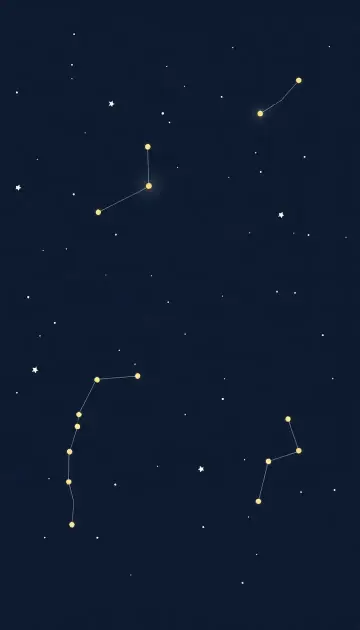
These 140 include names submitted by Japan, and they actually come from constellations. Names like Tembin (Libra), Yagi (goat), Usagi (rabbit), Kajiki (swordfish), and Koppu (cup) show up in turn.

However, the name of a typhoon that caused major damage may later be taken off the list and never used again.

And at the center of a typhoon, the so-called eye, the air is sinking, so surprisingly there are few clouds and the winds are weak.
Sources
- 台風に名前はあるの?その名前は誰がつけるの?Japanese“Do typhoons have names? Who names them?”Japan Meteorological Agency
- 過去の台風の番号と名前の対応表Japanese“Table of past typhoon numbers and names”Japan Meteorological Agency
- 配信資料に関するお知らせ ~台風の呼名の変更について~(2026年6月25日)Japanese“Notice regarding distributed materials: On changes to typhoon names (June 25, 2026)”Atmosphere and Ocean Department, Japan Meteorological Agency
Spotted a mistake in the article or the translation? Let us know.
Report an error (contact form in Japanese, opens in a new tab)