What the video says

If you freeze konjac and then thaw it, that jiggly texture disappears, and the inside turns spongy and firmer.
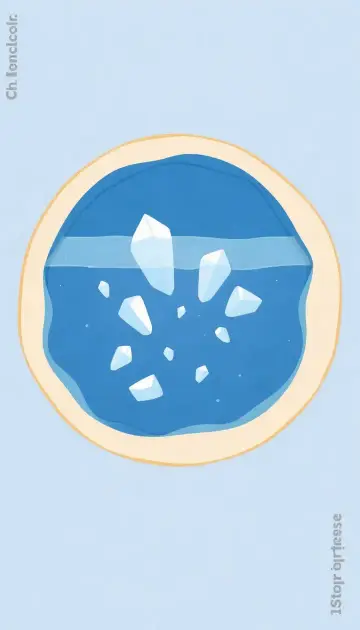
Konjac is made almost entirely of water. When it freezes, that water turns into ice crystals and expands.
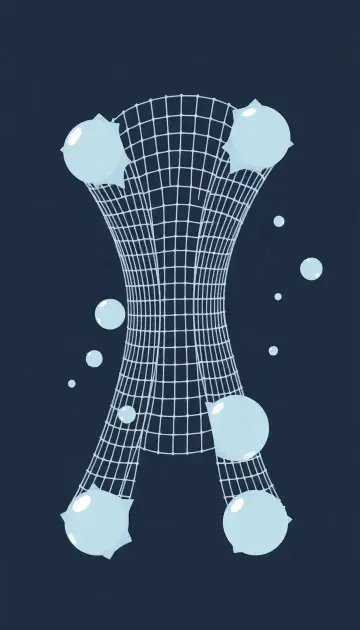
As the ice crystals grow, they push aside the surrounding mesh of the konjac and squeeze it tightly together, and the spots where the ice was become gaps.
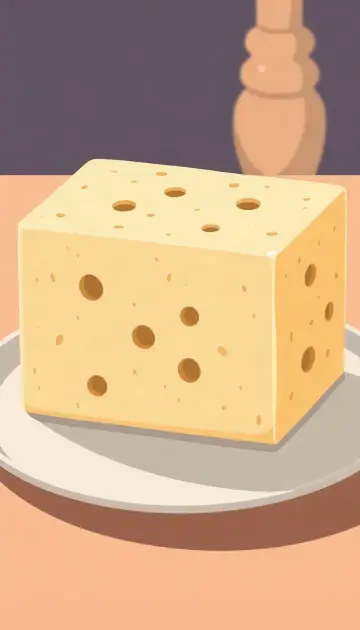
When it thaws, the ice melts and the water drains out, but the holes stay. Because the mesh has been packed together, the texture becomes firmer and chewier.

There's even a traditional food that takes advantage of this: shimi konnyaku, or "frozen-dried konjac," made by freezing and thawing konjac over and over.
Spotted a mistake in the article or the translation? Let us know.
Report an error (contact form in Japanese, opens in a new tab)