What the video says
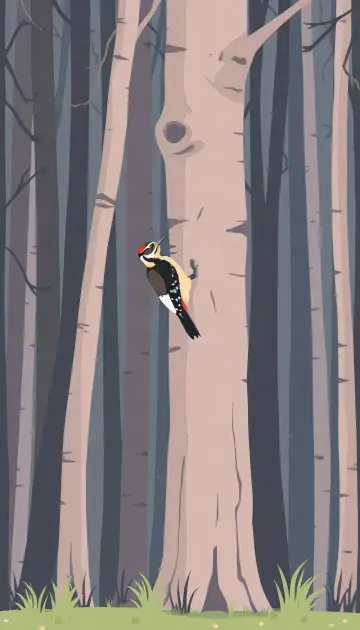
Woodpeckers can strike a tree around 20 times a second, yet calculations show the impact stays below the threshold for a concussion.

For a human, an impact like that would be strong enough to easily injure the brain.

People used to think spongy bone inside the skull acted as a cushion.

But recent research found that the skull absorbs almost none of the impact.
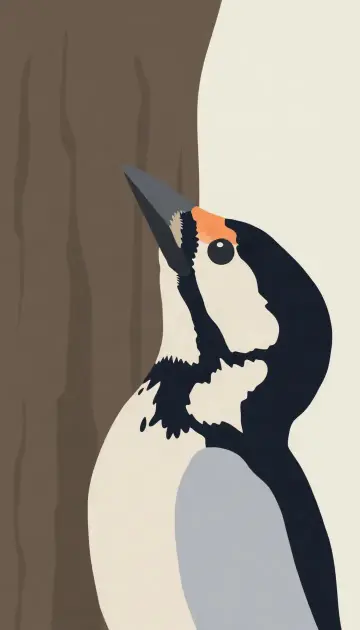
The main reason is thought to be that the brain is very small and each collision is over in an instant.

Rather than absorbing the shock, woodpeckers are thought to withstand it thanks to things like their small brain size.
Spotted a mistake in the article or the translation? Let us know.
Report an error (contact form in Japanese, opens in a new tab)