On this page
A closer look
Blisters are a skin injury caused by rubbing
The pain and blisters you get from shoes are small injuries caused by skin rubbing in the same spot again and again. According to a 1995 review by researchers with the U.S. Army, when rubbing force (friction) is applied repeatedly, cells in a middle layer of the epidermis (the outermost part of the skin) separate from each other, and fluid collects in the gap to form a blister.
The review says that how easily blisters form depends on how strong the friction is and how many times the skin is rubbed. The stronger the friction, the fewer rubs it takes to cause a blister. Blisters also form more easily in places like the soles of the feet and the palms, where a thick stratum corneum (the tough outer layer of skin) is firmly attached to the tissue beneath it. Intense exercise and walking while carrying heavy loads also appear to make foot blisters more likely.
New shoes likely cause blisters because they're still stiff and rub hard, over and over, in spots that don't match the shape of your foot, like the heel or the sides of your toes.
Leather softens with moisture
The video explained that a shoe's fibers start out tightly packed and stiff, then become slippery and stretch thanks to body weight and moisture from sweat. For leather, there's research showing something close to this.
A research team from New Zealand, Germany and elsewhere (2019) placed sheepskin leather in environments with different humidity levels and examined how easily it bent and how its collagen (the protein fibers that make up leather) was arranged. They found that the more moisture the leather contained, the more flexible it became, and the spaces between collagen molecules widened as well. The team suggests that water may act like a lubricant within the fibers, letting the molecules move more freely. Conversely, when collagen was packed tightly with no gaps, the leather was stiffer.
However, this study examined the properties of leather in a lab; it didn't directly measure how much sweat helps leather conform to the foot when shoes are actually worn. We also couldn't confirm whether the same thing happens with materials other than leather, such as fabric, synthetic leather or rubber. It's probably best to take the video's explanation as making sense for leather shoes, but not necessarily applying to all shoes.
Sweat also makes skin rub harder
The video presented sweat as something that helps shoes break in, but sweat has a downside too.
In a Swiss study (2008), researchers rubbed the inner forearms of 22 men and women against fabric to study the relationship between skin moisture and friction. Simply going from very dry skin to normally moist skin increased the coefficient of friction (a measure of how much things resist sliding) by about 43% in women and 26% in men. When the fabric was soaking wet, friction was more than twice that of dry fabric.
The 1995 review mentioned earlier also says that moist skin increases friction (while noting that friction is lower for very dry or completely wet skin). So when your shoes get sweaty inside, your skin may become more prone to rubbing before the shoes have a chance to break in.
It's not just the shoes that adjust
Changes on the skin's side are also thought to play a role in the pain gradually fading. The 1995 review suggests that skin repeatedly exposed to mild rubbing may produce more cells and develop a thicker epidermis, making blisters less likely to form.
However, if rubbing or pressure goes on too long, the outer layer of skin can become thick and hard, forming calluses or corns. The MSD Manual explains that calluses and corns are especially likely in people who wear tight or ill-fitting shoes.
The video's line that "after a few days of wearing them, the pain eases up" is likely the combined result of the shoes breaking in, the skin adapting and any injuries healing. On the other hand, if shoes don't fit your feet in size or shape, the same spot may keep rubbing no matter how many days you wear them.
How to prevent blisters
Public health resources recommend the following:
- Choose shoes that fit your feet properly (not too tight, not too loose).
- Wear new shoes for short periods at a time until they feel comfortable.
- Choose socks made of materials that wick sweat away, and change them often when you sweat.
- Protect spots prone to rubbing with bandages or pads.
- Stop if you feel pain or your skin turns red.
Both the American Academy of Dermatology and the NHS (the UK's National Health Service) advise against popping blisters or peeling off the skin yourself. According to the NHS, most blisters heal on their own in about a week. However, if a blister feels hot, oozes pus, has red swelling around it, is very painful or keeps coming back, don't try to handle it on your own; see a healthcare provider. People with conditions like diabetes that affect circulation or nerves in the feet are said to be more prone to even small wounds getting worse, so it's a good idea to seek advice early.
You might also like
What the video says
You know how new shoes can make your feet hurt for the first few days?
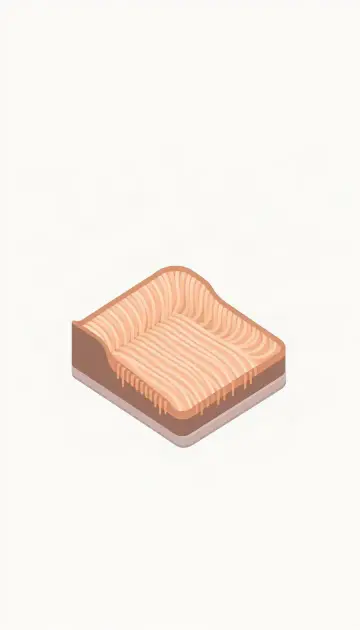
It actually happens because the shoe's material hasn't fully adapted to the shape of your foot yet.
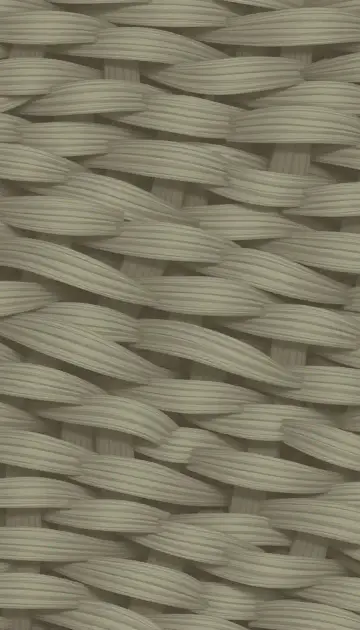
At first, the fibers in leather and fabric are tightly packed and stiff, and they try to hold a fixed shape.
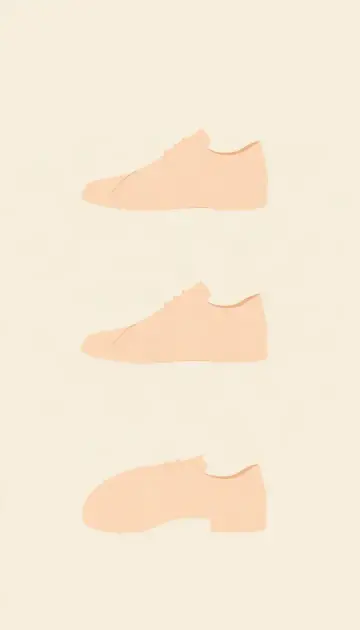
With every step, your body weight and the moisture from sweat make the fibers slide past each other a little more easily, and they gradually stretch.
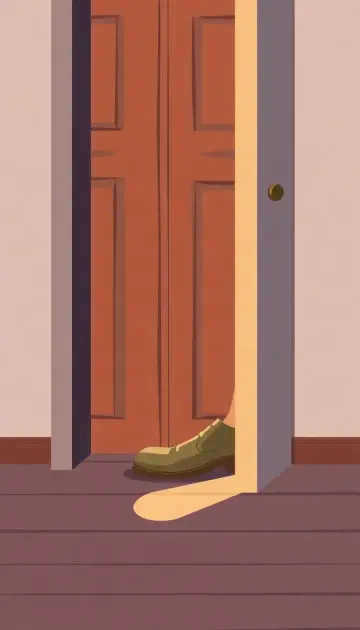
After a few days of wearing them, the fibers slowly spread out to match your foot, and the pain eases up too.
Sources
- Friction blisters. Pathophysiology, prevention and treatmentKnapik J.J. et al., Sports Medicine, 1995
- Influence of epidermal hydration on the friction of human skin against textilesGerhardt L.C. et al., Journal of the Royal Society Interface, 2008
- Effect of collagen packing and moisture content on leather stiffnessKelly S.J.R. et al., Journal of the Mechanical Behavior of Biomedical Materials, 2019
- How to prevent and treat blistersAmerican Academy of Dermatology
- BlistersNHS (National Health Service, UK)
- うおのめとたこ(MSDマニュアル家庭版)Japanese“Corns and Calluses (MSD Manual Consumer Version)”MSD
Spotted a mistake in the article or the translation? Let us know.
Report an error (contact form in Japanese, opens in a new tab)