On this page
- A closer look
- The door acts like a piston pushing air in
- The eardrum only settles down when the pressure on both sides matches
- Swallowing fixes it because it opens the eustachian tube
- The only difference from "ear-popping in the mountains" is size and duration
- When you have a cold, even a door can bother you
- You might also like
- What the video says
- Sources
A closer look
The door acts like a piston pushing air in
First, what's going on? When you swing a car door shut hard with the windows up, an amount of air equal to the volume the door sweeps through has to escape from the car. But with the windows closed, about the only way out is through tiny gaps in the weather seals.
As a result, the air inside the car gets squeezed tight just at the moment the door closes. The door is basically playing the role of a piston. The pressure rise is small and very brief, but your eardrums pick it up.
If you leave a window open a crack, you'll barely feel anything, because the air has somewhere to go. Flip it around, and the "my ears go whoosh when I shut the door" effect is also proof that the car is well sealed.
The eardrum only settles down when the pressure on both sides matches
Why can you feel this in your ears? Here's how the MSD Manual explains it:
The eardrum separates the ear canal from the middle ear. When there's an imbalance between the pressure in the ear canal, which comes from the outside air, and the pressure inside the middle ear, or when either pressure changes suddenly, the eardrum can be damaged.
The outer side of the eardrum is connected to the outside air through the ear canal, but on the inner side, the middle ear is a closed little room. There's just one passage that lets that room match its pressure to the outside.
Normally, outside air is sent into the middle ear through the eustachian tube, which connects the middle ear to the back of the nose, keeping the pressure on the outer and inner sides of the eardrum equal.
But the eustachian tube is usually closed. It only opens when you swallow or yawn.
That's the key to the "whoosh." The pressure on the outside (the ear canal) rises instantly, since it's directly connected to the air in the car. Meanwhile, the inside (the middle ear) stays the same as long as the eustachian tube is closed. During that time lag, and only then, the eardrum gets pushed slightly inward.
When the pressure in the middle ear is lower than the pressure in the ear canal, the eardrum bulges inward.
This happens very mildly and just for an instant. That's what you feel as the "whoosh."
Swallowing fixes it because it opens the eustachian tube
The fix is simple: swallow, or open your mouth and move it like you're yawning. These are the same methods the MSD Manual lists.
Try breathing with your mouth open, yawning, chewing gum, or swallowing. Any of these may open the eustachian tube and let air out of the middle ear.
Once the eustachian tube opens, even for a moment, the middle-ear pressure catches up with the outside and the eardrum returns to its normal position. Even if you do nothing, it clears up the next time you swallow without thinking.
The only difference from "ear-popping in the mountains" is size and duration
The mechanism is the same, but the scale is completely different.
| Shutting a door | Mountains or planes | |
|---|---|---|
| Pressure change | Very small | Large |
| How long it lasts | An instant | Several minutes to tens of minutes |
| Direction of change | Outside rises (same as descending) | Going up, outside drops; going down, outside rises |
| How it feels | A soft whoosh | Ringing, plugged-up feeling, pain |
Because the change is over in an instant, the door version never gets to the point of pain. But in terms of direction, it's the same "only the outside gets higher" pattern as when a plane is descending.
The same page also describes what can happen when a pressure difference persists:
The pressure difference can cause pain and often hearing loss, and can damage the eardrum or tear (rupture) it, causing bleeding.
A car door will never take things that far, but the basic setup is the same: a very thin membrane taking the full brunt of a pressure difference.
When you have a cold, even a door can bother you
Some people who normally feel nothing notice their ears when shutting a door only when they have a cold or hay fever. Here's why:
When the eustachian tube is partly or completely blocked by scarring, a tumor, an infection, a cold, or allergies, air can't move in and out of the middle ear.
When the back of your nose swells, the opening of the eustachian tube gets blocked. Then even a small pressure change takes longer to even out, and the "whoosh" lingers.
If that plugged-up feeling sticks around for several days, it may not be about air pressure but a problem with the ear itself. That's when it's time to see an ear, nose, and throat (ENT) doctor.
You might also like
What the video says
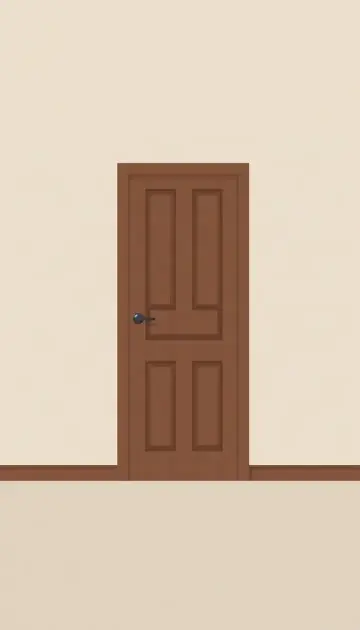
Ever slammed a door shut and felt a quick, soft "whoosh" deep inside your ears?

It actually happens because the air in the room gets squeezed in an instant, changing the air pressure ever so slightly.
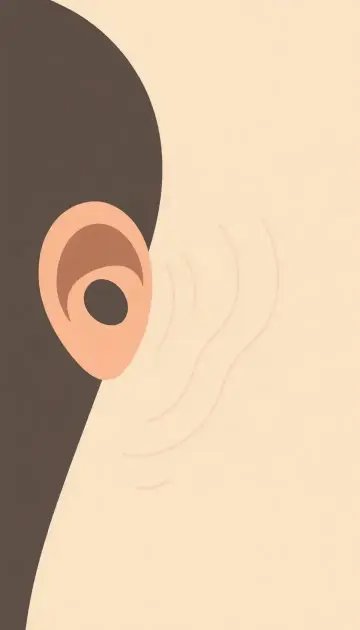
The eardrum, deep in your ear, is very sensitive to that pressure change. When the pressure outside and inside suddenly differs, the eardrum gets pushed a little, creating that "whoosh" feeling.
That plugged-up feeling you get in an elevator or when you roll up a car window works the same way.

So that familiar "whoosh" is really the work of invisible air.
Sources
- 耳の圧外傷(気圧性中耳炎、航空性中耳炎)Japanese“Ear Barotrauma (Barotitis Media, Aerotitis Media)”MSD Manual Consumer Version
- 耳管:気圧を等しく保つJapanese“Eustachian Tube: Keeping Air Pressure Equal”MSD Manual Consumer Version
Spotted a mistake in the article or the translation? Let us know.
Report an error (contact form in Japanese, opens in a new tab)