On this page
A closer look
It's written in Law 3, "The Players"
This rule is found in Law 3 of the Laws of the Game, "The Players." The text published by the IFAB (International Football Association Board) states that a player who is sent off after the kick-off cannot be replaced ("after the kick-off cannot be replaced").
Substitutes are treated the same way. The rule says that "a named substitute who is sent off, whether before or after the kick-off, cannot be replaced." So even if a player on the bench is sent off, that spot can't be filled.
There actually is a "replaceable" sending-off
Law 3 also contains a provision that might look like a loophole at first glance.
A player who is sent off after being named on the team sheet but before the kick-off can be replaced by a substitute ("may be replaced by a named substitute").
In other words, the same red card leaves a team back at 11 if it comes before the whistle, but stuck at 10 if it comes after. This provision is actually applied in cases like brawls during warm-ups.
Five sending-offs and the match is over
If players can't be replaced, a team's numbers can only go down. And there's a floor.
A match may not start or continue if either team has fewer than seven players
If either team has fewer than seven players, the match can neither start nor continue. Since teams start with 11, a fifth sending-off means the match can no longer go on. The same applies if a team runs short because players leave injured.
What if the goalkeeper is sent off?
A goalkeeper's sending-off is handled a little differently. According to the IFAB's explanation, "the offending team must put a new goalkeeper in place before play restarts."
But the team still doesn't get its numbers back. It has two options:
- Have someone already on the field change into the goalkeeper's jersey and take over
- Use a substitution to bring on the backup goalkeeper, taking off one outfield player in exchange
Choosing the second option means losing a substitution on top of playing a player short.
Soccer does have "temporary dismissals"
In the video, we said that "in soccer, once a team is down a player, it stays that way until the final whistle." That's true for top-level matches, but the Laws of the Game also include this provision.
The IFAB's "Modifications to the Laws of the Game" page says that for youth, veterans, disability, and grassroots soccer, the following two options may be adopted:
- Substitutions that let a player who has left the field return to play ("the use of return substitutes")
- Temporary dismissals (sin bins) for some or all cautions (yellow cards) ("the use of temporary dismissals (sin bins) for some/all cautions")
Temporary dismissals are a penalty for cautions and are separate from red-card sending-offs. Still, it's not that "soccer has no concept of temporary dismissal"; to be precise, it's available as a real option in youth and grassroots categories.
Related reads
What the video says
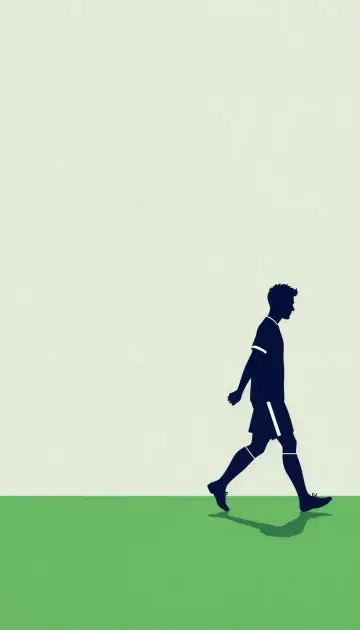
In a soccer match, when a player is sent off with a red card, their team can't bring on a substitute to make up the numbers.

In basketball and ice hockey, once a set amount of time has passed, another player can come in for the one who was removed.
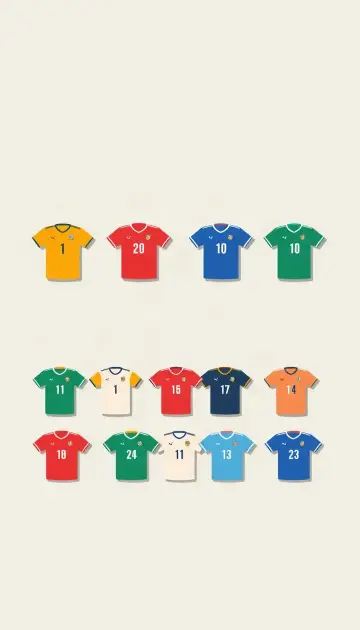
But in soccer, once a team is down a player, it stays that way until the final whistle. That's so the penalty of a sending-off isn't watered down.

If teams could restore their numbers with a substitute, a sending-off would become just a "short break," weakening its power to deter fouls.
That's exactly why playing the rest of the match a player short is far tougher than you might imagine.
Sources
- サッカー競技規則 2026/27Japanese“Laws of the Game 2026/27 (Japanese edition)”Japan Football Association
- Laws of the Game – Law 3, The PlayersThe International Football Association Board (IFAB)
- Laws of the Game – Notes and ModificationsThe International Football Association Board (IFAB)
Spotted a mistake in the article or the translation? Let us know.
Report an error (contact form in Japanese, opens in a new tab)