On this page
A closer look
The proverb's "storyline"
The reasoning usually given for "swallows flying low means rain" goes like this:
- When the weather is about to turn, the small insects swallows feed on fly lower
- Swallows chase those insects and fly low
- So if swallows are flying low, rain is on the way
Each step sounds plausible on its own. But we need to look at each one separately to see how well it's actually been confirmed.
Swallows are low flyers to begin with
Dreelin and colleagues at Cornell University in the US attached small altitude-recording devices to three species of birds that catch insects in midair, including the barn swallow, and tracked how high they flew in New York State during the summer of 2016.
According to their paper, barn swallows are suited to hunting by flying low over grasslands and pastures and picking off insects right near the ground. The other two species (the purple martin and the tree swallow) flew higher on days when the rising air warmed by the ground (thermal updrafts) was stronger, but the strength of those updrafts had no effect on how high the barn swallows flew.
Drawing on earlier research, the same paper also notes that most flying insects stay within a few meters of the ground, and their numbers drop off sharply with height.
In other words, barn swallows often catch insects low to the ground as a matter of course, not just before rain. Simply "seeing them fly low" is a weak clue about the weather.
Insects do react to changes in air pressure
So what about the insects they eat?
A research team from Brazil and Canada (Pellegrino and colleagues) studied the relationship between air pressure changes and behavior in three insects from completely different groups: a leaf beetle, an armyworm moth, and an aphid. They found that when air pressure was falling, all three species cut back on mating-related behavior.
The researchers suggest that holding back before stormy weather may reduce the risk of injury or death. The paper also states that there is some evidence that insects adjust behaviors such as flying, mating, and feeding in response to changes in air pressure.
However, this study looked at mating behavior, not whether insects change how high they fly.
"Wings getting damp and heavy" hasn't been confirmed
The video introduced the ideas that "when humidity rises, insects' wings get damp and heavy" and "weaker updrafts keep insects from climbing high." Both are common explanations, but within the scope of our research, we couldn't find any studies that directly confirmed them.
Pellegrino and colleagues' paper notes that insect bodies are built to repel water easily, thanks to layers of hairs and waxy surfaces. So it's probably best not to take at face value the idea that wings quickly soak up moisture and get heavy in humid air.
On the other hand, Dreelin and colleagues' paper also notes that heavy rain and strong winds can greatly reduce the number of flying insects. It's certainly true that bad weather changes the feeding conditions for swallows.
A "barometer" inside a bird's ear?
The "theory that birds have an organ that can sense air pressure" mentioned in the video refers to a small organ in the bird's middle ear called the paratympanic organ (PTO).
According to a review by von Bartheld and colleagues, this organ was discovered about 100 years ago. It contains hair cells, sensory cells similar to the ones the ear uses to detect sound, and it's thought that it may work as a barometer or altimeter.
However, the review says it hasn't been clearly shown that this organ actually senses air pressure, and it's also unknown where in the brain any air pressure information would be processed. The review goes so far as to say it "may be the most overlooked sense organ in land vertebrates"; it's still a largely mysterious organ.
The swallow proverb may be a piece of folk wisdom that makes some sense, capturing a link between insects and the weather. But within the scope of our research, we couldn't find any study that measured how often low-flying swallows actually predict rain. It's probably best to enjoy it alongside a look at the sky and the weather forecast.
Related reads
What the video says
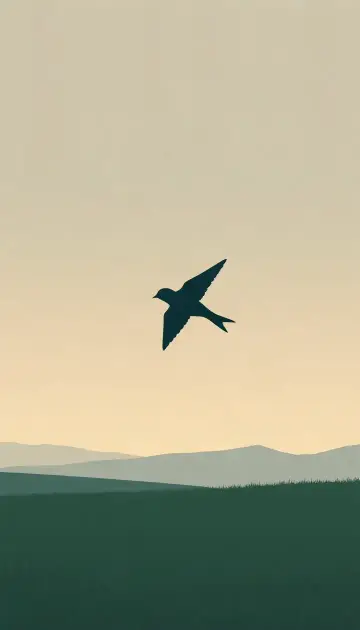
The proverb "When swallows fly low, it will rain" actually comes with a reason people give for it.
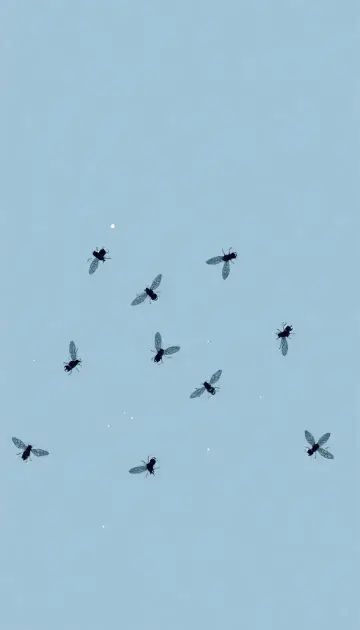
One common claim is that when humidity rises, the wings of small insects get damp and heavy.
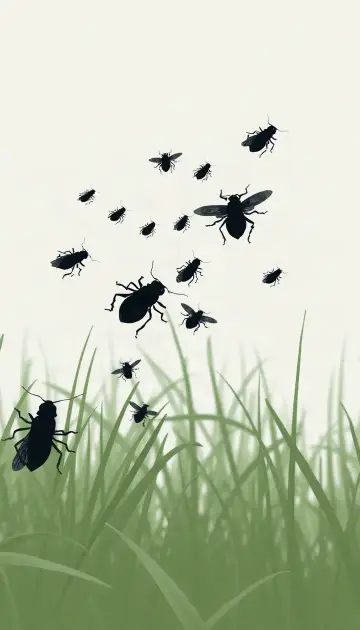
It's said that when the weather starts to turn and rising air currents weaken, insects can't climb high and fly close to the ground instead.
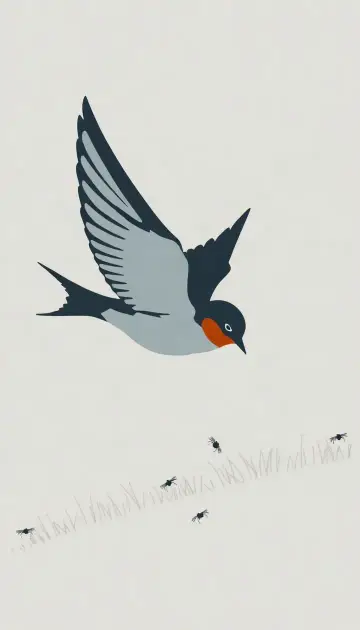
And swallows follow them down to eat them, so they fly low too.
There's also a theory that birds have an organ that can sense air pressure, and research into the link between birds and weather is still ongoing.
Sources
- Flight Behavior of Individual Aerial Insectivores Revealed by Novel Altitudinal DataloggersDreelin R.A., Shipley J.R. & Winkler D.W., Frontiers in Ecology and Evolution, 2018
- Weather Forecasting by Insects: Modified Sexual Behaviour in Response to Atmospheric Pressure ChangesPellegrino A.C. et al., PLoS ONE, 2013
- The Paratympanic Organ: A Barometer and Altimeter in the Middle Ear of Birds?von Bartheld C.S. & Giannessi F., Journal of Experimental Zoology Part B, 2011
Spotted a mistake in the article or the translation? Let us know.
Report an error (contact form in Japanese, opens in a new tab)