On this page
A closer look
That wind has a name
The cold wind that comes before a summer evening downpour has a proper name in meteorology: the gust front.
According to the Japan Meteorological Agency (JMA), a gust front "occurs when a mass of cold (heavy) air formed beneath a cumulonimbus cloud flows out, under its own weight, toward the side of warm (light) air."
What's worth noting is the scale. According to the same explanation, "its horizontal extent is larger than that of tornadoes or downbursts, and can reach several tens of kilometers or more." In other words, the cool wind you felt may be blowing at the same moment in places dozens of kilometers away.
The video's explanation vs. the JMA's explanation
In the video, we said that "raindrops absorb heat from their surroundings as they evaporate, so the air gets chilled quite a bit." This is a commonly used explanation for how air cools inside a cloud.
The JMA's definition, on the other hand, focuses on what happens after the air has been cooled. The resulting mass of cold air "flows out toward lower ground because it's heavy"—that's what a gust front is. It all makes sense once you think of it this way: why the air cools and why it flows outward are two separate steps.
A cold wind isn't just a "sign of rain"
The JMA groups the violent gusts that occur with cumulonimbus clouds into three types—tornadoes, downbursts, and gust fronts—and calls them collectively "tornadoes and other violent gusts." In other words, gust fronts are one of the things people are warned to watch out for.
A downburst, a member of the same family, is "a violent flow of air that blows out horizontally when a downdraft descending from a cumulonimbus cloud strikes the ground," with the outflow spreading roughly several hundred meters to about 10 kilometers. Its defining feature is that the damage spreads out over a wide area.
They matter for aircraft, too. The JMA's aviation weather explanation notes that both downbursts and gust fronts are born from the downdrafts of cumulonimbus clouds, and that a sudden increase in headwind can push a plane off its landing approach path.
If you feel that wind, there's something to do before worrying about getting wet
If a cold wind suddenly blows on a summer evening, the next thing to think of after "the laundry" is lightning. That wind is evidence that a cumulonimbus cloud is nearby, so lightning strikes are possible even before the rain starts. If you're outdoors, the safest move is to get inside a building or a car first.
You might also like
What the video says

On a summer evening, it's hot and muggy, and then suddenly a cool breeze blows in. You've probably felt that, right?
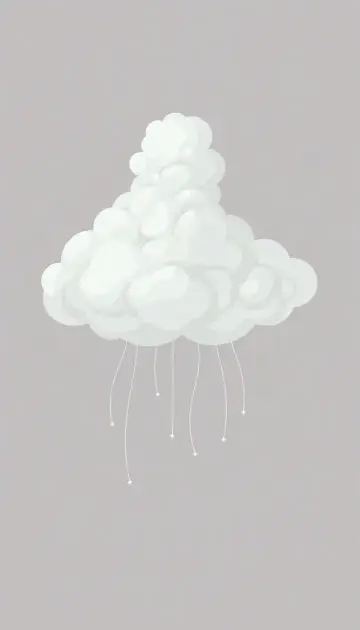
That cold wind is actually a downdraft blowing down from inside a cumulonimbus cloud.

Inside the cloud, raindrops absorb heat from their surroundings as they evaporate, so the air gets chilled quite a bit.
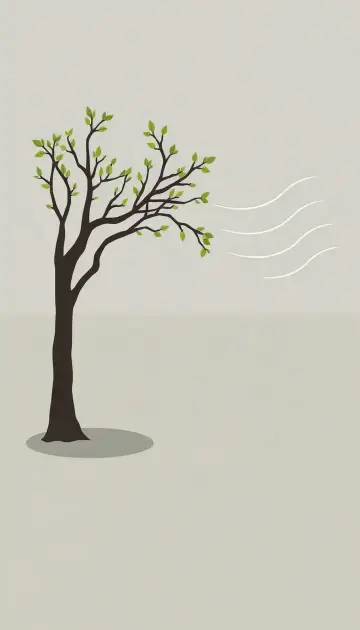
The cooled, heavier air rushes down toward the ground all at once, and that's the cold wind we feel.

So if you feel this wind, it might be a sign that a sudden downpour is on its way.
Sources
- 竜巻などの激しい突風とはJapanese“What Are Tornadoes and Other Violent Gusts?”Japan Meteorological Agency
- 竜巻などの激しい突風に関する気象情報の利活用について(平成22年3月)Japanese“On Making Use of Weather Information About Tornadoes and Other Violent Gusts (March 2010)”Japan Meteorological Agency
- (参考)航空機の離着陸時における風との関わりJapanese“(Reference) How Wind Affects Aircraft During Takeoff and Landing”Japan Meteorological Agency
Spotted a mistake in the article or the translation? Let us know.
Report an error (contact form in Japanese, opens in a new tab)