On this page
A closer look
"Cold-induced diuresis" has been known for over 200 years
The way you pee more when it's cold is called cold-induced diuresis, and research on it goes back a surprisingly long way. According to a scientific book put together by the U.S. National Academies, in 1764 Sutherland reported that urine output increased after cold-water baths, and in 1909 Gibson showed that simply being exposed to cold increased urine output.
It's something everyone notices in winter, but the question of why it happens still hasn't been fully settled.
You can't say for sure it's "because blood pressure goes up"
In the video, we explained it as "blood vessels narrow and blood pressure rises a little → the body gets rid of extra water as urine to adjust blood pressure." This idea is called the pressure diuresis hypothesis, and it's often used because it's easy to understand.
The same book, however, is cautious. It notes that in some experiments, cold-induced diuresis and changes in blood pressure didn't move together and could occur separately, which has cast doubt on the explanation that rising blood pressure is the trigger.
With that in mind, here's the point researchers do agree on:
Although opinions differ on the mechanism, it is likely that the shift of body fluid toward the core caused by narrowing of the peripheral blood vessels is involved.
In other words, the big picture of "cold → blood vessels in the hands and feet narrow → blood shifts to the core → the kidneys release more water" is solid, but the detailed mechanism linking those steps (whether it's hormones, blood pressure, or a change in how sensitive the kidneys are) is still being debated. A 1972 study looked closely not only at the amount of urine but also at how electrolytes were excreted and how hormones changed.
Winter is exactly when you should stay hydrated
Cold-induced diuresis has a feature that's worth knowing about. According to the same book, as the body loses water, cold-induced diuresis weakens and eventually stops. It's a brake that protects your body, but flip that around and it means you've already lost that much water.
On top of that, drinking less to begin with is also listed as a cause of dehydration in cold environments. When it's cold you don't feel as thirsty, and frequent bathroom trips can be annoying enough that you cut back on drinking. That combination can easily lead to dehydration in winter.
When to talk to a doctor
Needing the bathroom more often in cold weather is, in itself, a normal body response. But if you wake up several times a night, if it keeps happening regardless of the season, or if it hurts when you pee, there may be another cause behind it. If you're concerned, talk to a urologist.
You might also like
What the video says

Needing to pee more often on cold days is a sign that your body is adjusting your blood pressure.

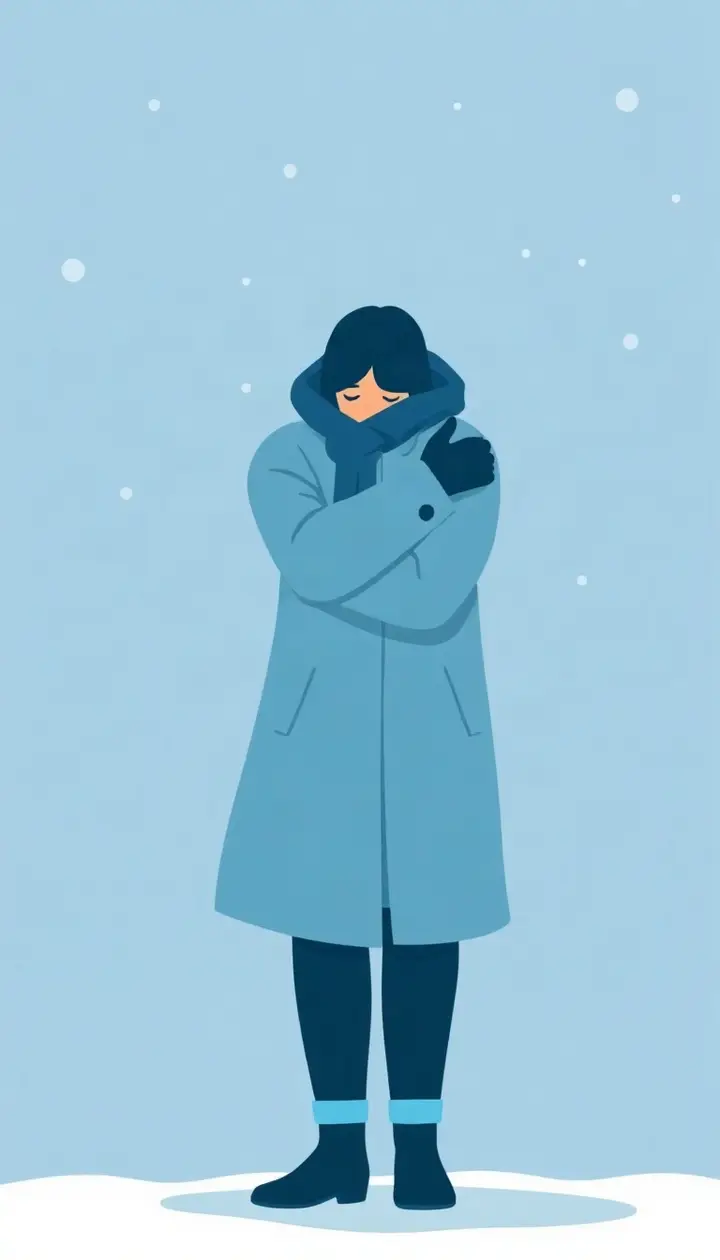
When it gets cold, your body tightens up the blood vessels in your hands, feet, and skin so it doesn't lose heat.

When blood vessels narrow, the path for blood gets tighter, and your blood pressure goes up a little.
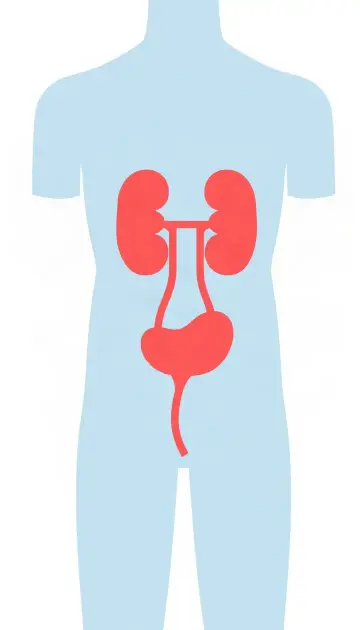
So your body tries to bring your blood pressure back down by getting rid of extra water as urine.

On top of that, you don't sweat much on cold days, so the water that would have become sweat goes into urine instead. That's why you need the bathroom more often.
Sources
- Influence of Cold Stress on Human Fluid Balance(Nutritional Needs in Cold and in High-Altitude Environments 第9章)Japanese“Influence of Cold Stress on Human Fluid Balance (Chapter 9 of Nutritional Needs in Cold and in High-Altitude Environments)”Institute of Medicine, National Academies Press
- Cold-induced diuresis. A study with special reference to electrolyte excretion, osmolal balance and hormonal changesLennquist S., Scandinavian Journal of Urology and Nephrology, 1972
- Diuresis related to cold exposureJAMA, 1985
Spotted a mistake in the article or the translation? Let us know.
Report an error (contact form in Japanese, opens in a new tab)