On this page
A closer look
A muscle you can't move on your own
The arrector pili muscles that create goosebumps are connected to the sympathetic nervous system. Like the nerves that control breathing and heart rate, it regulates the body independently of your will. The reason you can't make goosebumps appear just by deciding to is that these muscles aren't wired into the circuits you use to move your arms and legs consciously.
Stimuli coming in through completely different doors, such as cold, a touch on the skin, or sounds and images, all end up merging into this same sympathetic pathway and making the arrector pili muscles contract. That's why goosebumps appear when you're cold, when you're scared, and when you're moved.
Maybe not "just an ancestral leftover" after all
In the video, we said goosebumps "are thought to be a leftover from the days of our hairier ancestors." That was the accepted explanation for a long time, but it's been getting a bit of a rethink in recent years.
In a study published in 2024, researchers recorded 1,198 episodes of goosebumps from 8 participants while simultaneously measuring their body temperature and heart responses. Here's what they found:
- Goosebumps occurred at similar rates whether triggered by a cold room, stroking the skin with a feather, or videos and music
- Skin temperature dropped about 8 to 10 seconds before goosebumps appeared, and the bigger the drop, the stronger the goosebumps
- While goosebumps were present, skin temperature rose by 0.18 to 0.36°C (about 0.3 to 0.6°F). Meanwhile, core body temperature measured in the mouth didn't change
However, the author himself cautions that because whole-body responses like blood vessel constriction were happening at the same time, it can't be said that "goosebumps alone raised skin temperature." For now, the situation is that we also can't write goosebumps off as a "completely meaningless leftover."
Cold also acts on the hair itself
A 2020 study in mice showed that the sympathetic nerves, the arrector pili muscles, and the hair follicles (the little sacs at the base of each hair) work together as a single unit. The arrector pili muscle acts as an anchor that connects the nerve to the hair follicle, and with prolonged cold exposure, the sympathetic nerves release noradrenaline, which activates the cells that produce hair and causes new hair to grow.
In other words, cold wasn't just "making hair stand up" but also pushing toward "making more hair." Since this result comes from mice, whether it applies directly to people is a separate question.
Goosebumps when you're moved
The goosebumps you get from listening to music are called "chills" in research and have been studied for a long time. A 2014 study reported that people with higher physiological arousal at rest were more likely to experience chills from music.
The 2024 study mentioned above also found differences in heart responses. Goosebumps triggered by videos or sounds came with stronger sympathetic arousal, while goosebumps triggered by stroking the skin came with a stronger parasympathetic (relaxation-side) response instead. Even when goosebumps look the same, it seems that more than one thing can be happening inside the body.
Related reads
What the video says
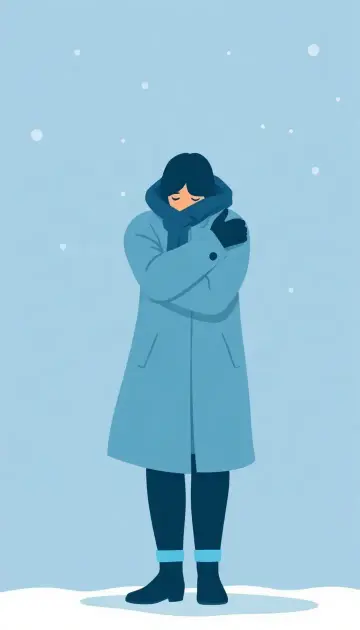
The goosebumps you get when it's cold actually do almost nothing to warm the human body.
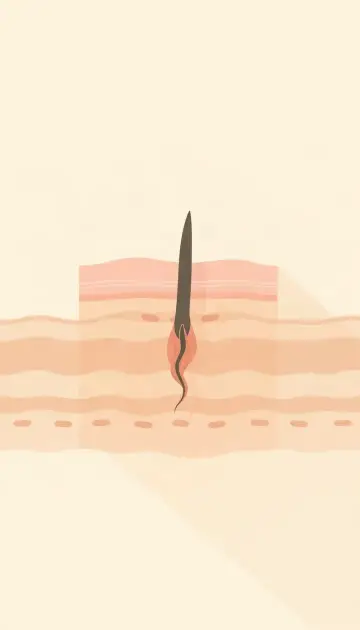
What's behind those goosebumps is a tiny muscle at the base of each hair, called the arrector pili muscle.
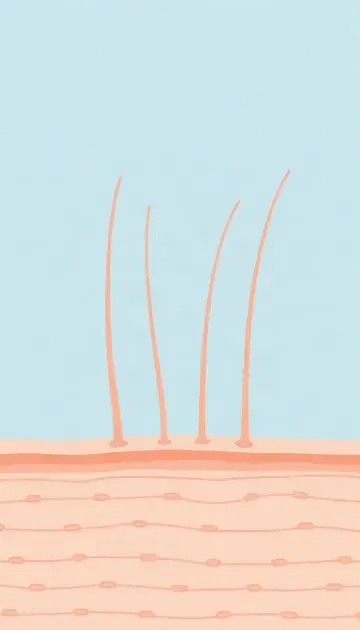
When you feel cold, your autonomic nervous system kicks in and this muscle tightens up. That makes the hair stand up, and the skin around the pore pops up into a little bump.
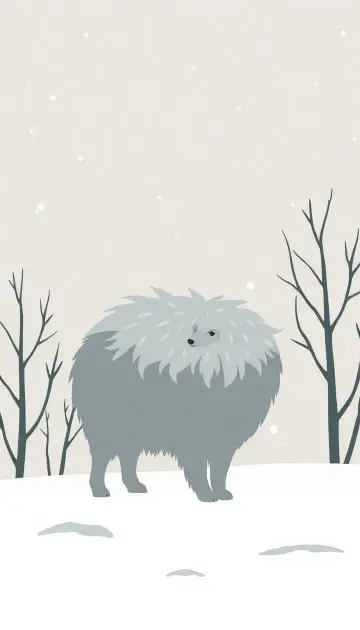
In a furry animal, standing its fur on end creates a layer of air between the hairs, which makes it harder for body heat to escape.
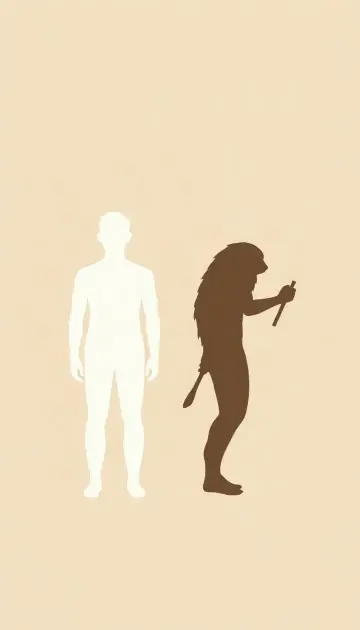
But we humans don't have much body hair, so goosebumps barely warm us up at all. They're thought to be a leftover from the days of our hairier ancestors.

By the way, goosebumps don't just show up when you're cold. They can also appear when you're scared or deeply moved.
Sources
- Cell Types Promoting Goosebumps Form a Niche to Regulate Hair Follicle Stem CellsShwartz Y. et al., Cell, 2020
- Diverse stimuli induce piloerection and yield varied autonomic responses in humansMcPhetres J., Biology Open, 2024
- Resting physiological arousal is associated with the experience of music-induced chillsInternational Journal of Psychophysiology, 2014
Spotted a mistake in the article or the translation? Let us know.
Report an error (contact form in Japanese, opens in a new tab)