On this page
A closer look
The numbers make the lack of protection clear
A research team at Tohoku University conducted a study comparing the lips and cheeks of 303 healthy Japanese women aged 21 to 80, measured in winter. Using a closed-chamber device so that breathing wouldn't affect the results, they measured how much water escapes from the skin (transepidermal water loss, or TEWL), and found that—
The amount of water escaping from the lips was about three times that of the cheeks.
Looking under a microscope shows why. The cells on the surface of the lips were in a state where they hadn't fully matured into a proper stratum corneum (parakeratosis), and they remained larger than the cells of the cheek skin. The layer that's supposed to seal in moisture just isn't fully formed on the lips.
The lips are the only place on the face where the mucous membrane from inside the mouth is directly exposed to the outside air. On top of the fact mentioned in the video that lips have "almost no oil glands or sweat glands," these differences in their basic structure are behind why they dry out so easily.
They're low in ceramides, too
There's a type of lipid called "ceramide" that fills the gaps between cells in the stratum corneum and helps retain moisture. According to a 2021 study, lips have a lower total amount of ceramides than skin elsewhere on the body, and a different mix of ceramide types.
It may help to think of it this way: lip balm soothes your lips because it supplies, from the outside, the oily "lid" they're lacking.
Licking starts a vicious cycle
The point made at the end of the video, that "licking makes it worse," is known in dermatology as lip-licker's dermatitis. According to an explanation from the Saitama Dermatologist Association, here's what happens:
- Your lips get dry and bother you, so you lick them
- The physical friction of the rough tip of your tongue damages the surface and makes it peel more easily
- Skin turnover speeds up, so the stratum corneum keeps failing to form properly
- The barrier function weakens and your lips get even drier → back to step 1
A telltale sign is that only the area around the mouth that "the tongue can reach" turns distinctly red. It's said to be more common in winter, when the air is dry, and in children with atopic dermatitis.
What to watch out for when your lips are chapped
- Moisturize again and again: The basic treatment is applying moisturizer frequently. If the area is weepy and oozing, a steroid ointment may be used
- Hold off on irritating foods for a while: While your skin is irritated, it's said to be a good idea to avoid foods that contain needle-shaped crystals (Japanese mountain yam, taro, pineapple, kiwi) as well as salty foods
- See a dermatologist if the oozing doesn't stop: Moisturizing often clears it up, but if it drags on, the quickest route is to get advice rather than sticking it out with home remedies
You might also like
What the video says

Lips chap easily in winter because they have almost none of the systems that protect the rest of your skin.
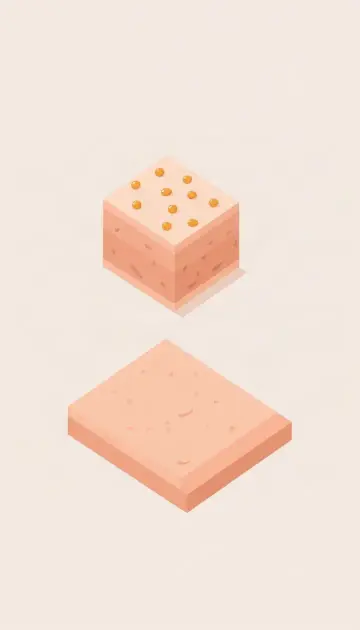
In fact, lips have almost no sebaceous glands, which produce skin oil, and almost no sweat glands.
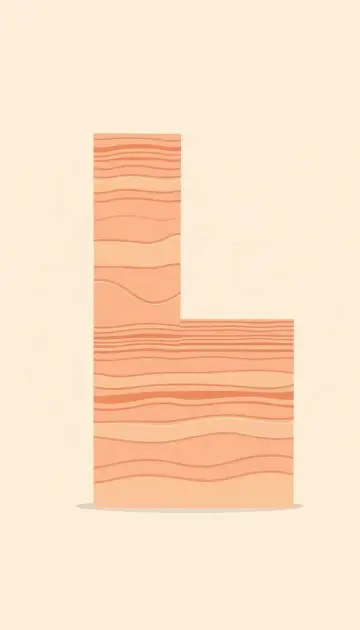
On top of that, the stratum corneum covering the surface of the lips is much thinner than on the rest of your skin.

So they're bad at holding on to moisture, and in winter's dry air, water keeps escaping and they easily get dry and chapped.

And if you lick them because they bother you, moisture gets carried off as the saliva evaporates, and they actually end up drier.
Sources
- Functional properties of the surface of the vermilion border of the lips are distinct from those of the facial skinKobayashi H. & Tagami H. (Tohoku University), British Journal of Dermatology, 2004
- The efficacy of synthetic pseudo-ceramide for dry and rough lipsInternational Journal of Cosmetic Science, 2021
- なめまわし皮膚炎(皮膚病の話)Japanese“Lip-licker's dermatitis (About Skin Diseases)”Saitama Dermatologist Association
Spotted a mistake in the article or the translation? Let us know.
Report an error (contact form in Japanese, opens in a new tab)