What the video says
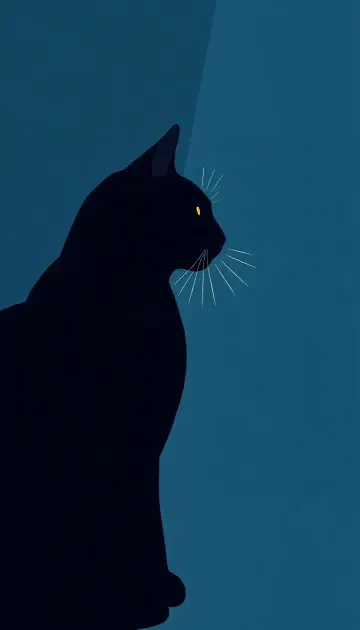
Cat whiskers aren't actually just ordinary hair. They're true sensory organs, with nerves concentrated at their roots.
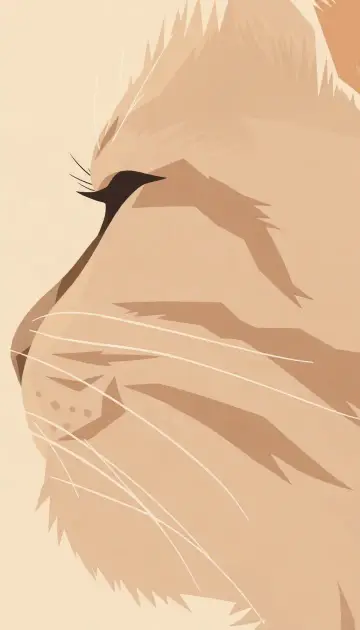
Each whisker grows from a special follicle surrounded by blood-filled sinuses, and that's where the nerves are concentrated.

That's why a cat can sharply sense movement when something brushes even lightly against the tips of its whiskers.

Whiskers are also thought to give cats clues about whether they can squeeze through a narrow gap.

So when a cat walks around in the dark, it isn't relying on its eyes alone. Its whiskers help it feel out its surroundings, too.
Spotted a mistake in the article or the translation? Let us know.
Report an error (contact form in Japanese, opens in a new tab)