On this page
A closer look
It's really "rust"
The heat from a disposable hand warmer comes from the chemical reaction of iron rusting.
When iron turns into iron oxide (iron hydroxide) in the presence of oxygen and water, it gives off heat. This reaction happens naturally: leave wet iron alone and it will rust, releasing a tiny bit of heat as it does.
Normally, though, it proceeds slowly over many days, so you can't feel the heat. A disposable hand warmer compresses this reaction into a few hours.
Tricks to speed it up
To make the reaction go faster, the contents include several ingredients.
Iron powder. It's powder, not a lump. For the same weight, grinding iron into powder increases its surface area thousands of times over. Since the reaction happens on the surface, more surface area means a faster reaction.
Water and salts. Water is needed for the reaction, and the salts dissolve in it to supply ions that help electrons move. It's the same reason iron soaked in salt water rusts faster. That's also why metal rusts faster near the ocean.
Activated carbon. This is the clever part. Activated carbon is a porous form of carbon full of countless tiny pores, and it adsorbs oxygen from the air. By gathering oxygen from its surroundings and raising its concentration, it speeds up the rusting of the iron.
Water-retaining agent. It holds onto moisture so the water doesn't run out while the reaction is going. Absorbent minerals such as vermiculite are used.
Each of the five ingredients has its own job. Iron powder alone wouldn't react nearly this fast.
Opening the package starts it because oxygen gets in
A disposable hand warmer has two bags.
Outer wrapper: Doesn't let oxygen through. The air inside is removed and it's sealed at the factory Inner pouch: Lets oxygen through. Its breathability is carefully adjusted
When you open the outer wrapper, air passes through the inner pouch to reach the contents, and the reaction begins.
On the flip side, if you put a partly used hand warmer in a plastic bag and squeeze out the air, the reaction slows down and stops (though not completely). Cut off the oxygen supply and the reaction stops: a simple way to control it.
Temperature and duration are tuned by "airflow"
This is the interesting part from a product-design standpoint. The Japan Pocket Warmer Industry Association explains that the heating temperature and duration are adjusted through the amount of airflow and the mix of ingredients.
How much oxygen the inner pouch lets through determines how fast the reaction goes.
- More airflow → faster reaction → hotter, but finishes sooner
- Less airflow → slower reaction → cooler, but lasts longer
The differences between adhesive stick-on warmers, mini warmers, and long-lasting types come down to the combination of how much iron they contain and how breathable the inner pouch is. The chemistry inside is the same; what changes is how the oxygen flows in.
When all the iron has rusted, it's done
A hand warmer goes cold either because the fuel (iron) has run out or because the water has run out.
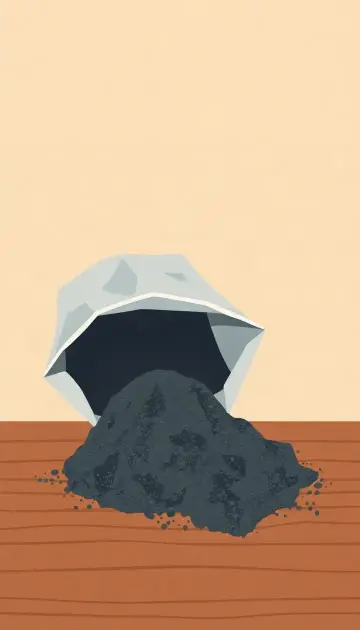
If you open a used hand warmer that won't warm up no matter how much you knead it, you'll find brown powder inside. That's iron oxide, in other words, rust. Once the gray iron powder has turned into brown rust, it's chemically finished.
By the way, because the contents of used hand warmers contain iron, there's research into recycling them. At home, though, the safe bet is to throw them out according to your local waste-sorting rules.
Why doesn't stainless steel heat up?
It's iron too, yet a stainless steel spoon doesn't get warm.
Stainless steel forms a chromium oxide film (a passive film) on its surface that stops further oxidation. So the reaction doesn't proceed. Why stainless steel resists rust and why hand warmers heat up are two sides of the same coin: the oxidation of iron.
Stainless steel is a technology for stopping oxidation; a hand warmer is a technology for encouraging it. The same reaction, controlled in opposite directions.
Watch out for low-temperature burns
A quick word on safety. Depending on the product, the surface temperature of a disposable hand warmer can exceed 50°C (122°F).
Even at around 50°C, keeping it on the same spot for a long time can cause a low-temperature burn. You should avoid using one while sleeping, sticking it directly on your skin, or pressing it against your body with tight clothing.
As a heat source, a hand warmer is "weak but long-lasting." That's why the danger it poses isn't an instant burn but a low-temperature burn that develops gradually.
Related reads
What the video says
Disposable hand warmers are actually packed full of iron powder.
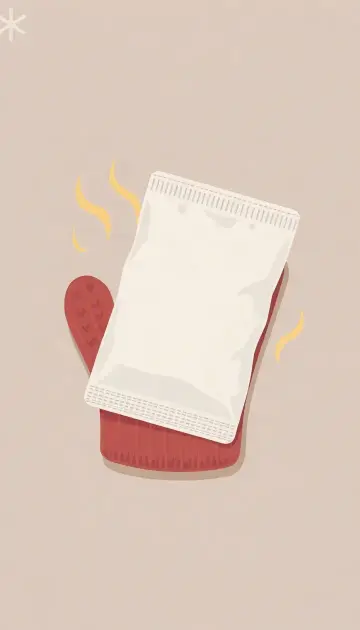
The warmth comes from the heat released when iron combines with oxygen in the air and "rusts."
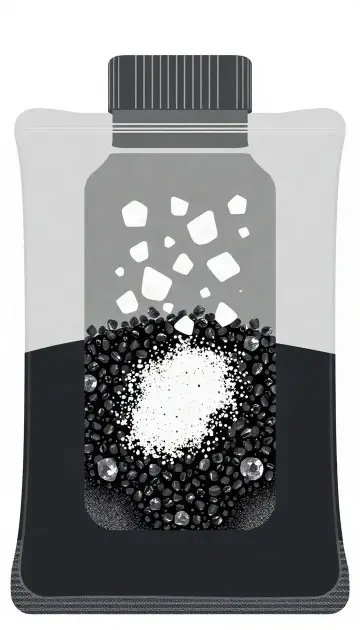
The salt speeds up this rusting reaction, and the activated carbon helps draw in air.
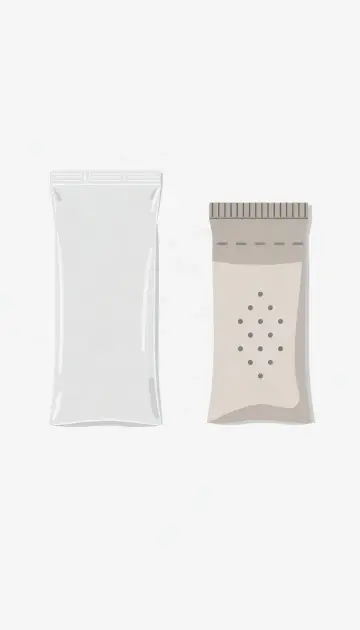
The outer wrapper doesn't let air through, so the reaction stays on hold until you open it. Once opened, air gets in through tiny holes in the inner pouch, and the heating begins.
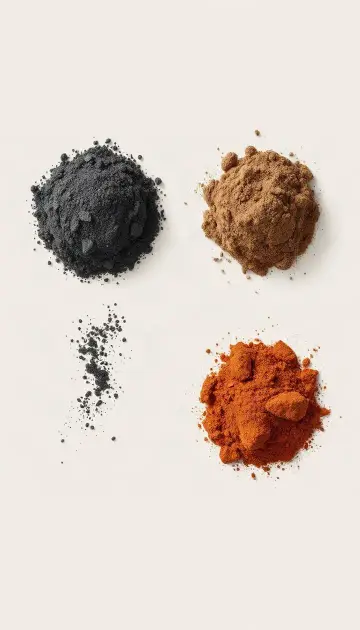
A used hand warmer turns brown and hard because the iron has completely rusted into iron oxide.
Sources
- 使いすてカイロについてJapanese“About Disposable Pocket Warmers”Japan Pocket Warmer Industry Association
- ステンレスの耐食性と腐食現象についてJapanese“Corrosion Resistance and Corrosion Phenomena of Stainless Steel”Japan Stainless Steel Association
Spotted a mistake in the article or the translation? Let us know.
Report an error (contact form in Japanese, opens in a new tab)