On this page
A closer look
The National Astronomical Observatory of Japan calls it an "obstacle"
The clearest explanation of how stars become visible (or not) comes from a guide to meteor watching. The National Astronomical Observatory of Japan (NAOJ) lists "no moonlight" as one of the favorable conditions and explains why:
When a bright Moon is in the sky, its brightness hides faint meteors so you can't see them. That's why you can see more meteors when the Moon isn't up.
Then, in parentheses, it gives two reasons why the full Moon is especially troublesome:
(The fuller the Moon, the brighter it is, and on top of that it stays up longer at night, so it gets in the way of meteor watching.)
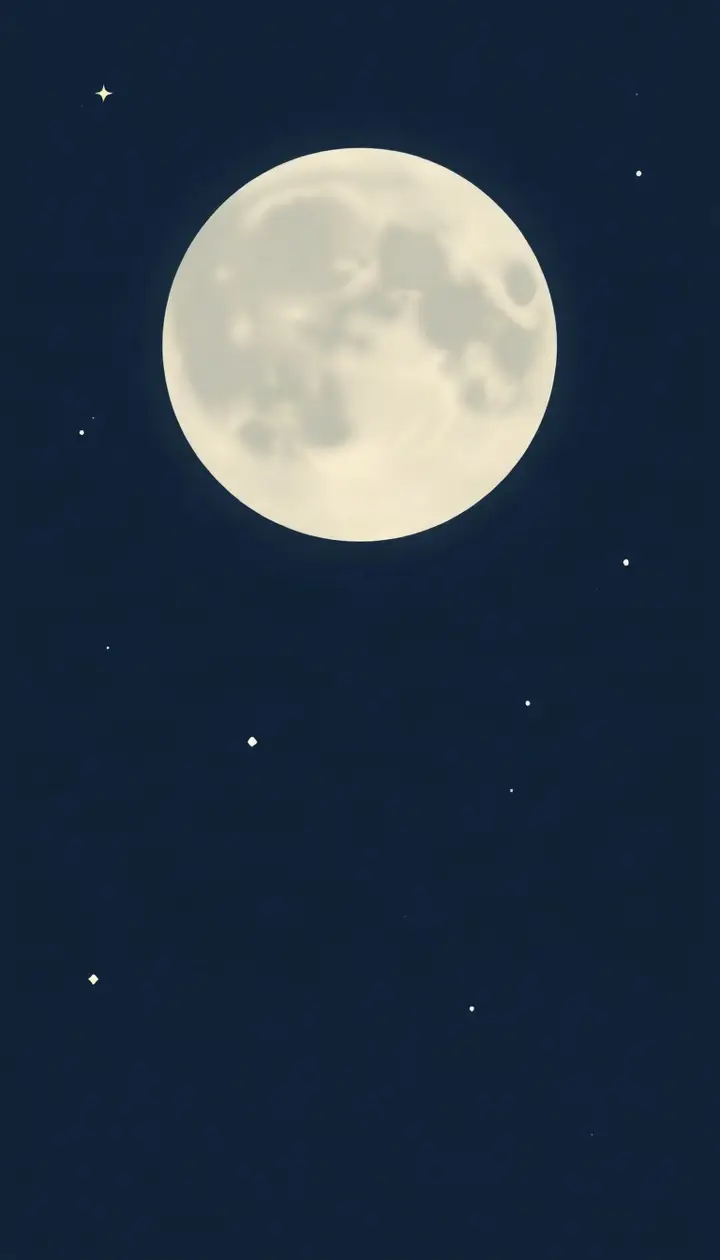
Meteors and stars are different things, but the part about "faint light getting buried by bright light" works the same way. On a full moon night, you see fewer stars not because the stars have disappeared, but because the whole sky gets brighter and faint stars no longer stand out against it.
The Moon does the same thing streetlights do
The same page also discusses artificial light right alongside it:
The light given off by meteors and most other celestial objects is very weak compared with things like streetlights. When there's a lot of artificial light, its brightness gets in the way, making faint meteors harder to see, and the number of meteors you can see drops accordingly.
The full Moon is like a giant streetlight hanging in the sky. Moonlight is scattered by the atmosphere and faintly brightens the entire sky, so stars can no longer appear as "tiny points floating in the dark." It's exactly the same principle that makes stars hard to see in the city.
"The full Moon is up all night" makes a big difference
Brightness isn't the only reason the full Moon is such a disadvantage. A full moon is the Moon at the moment it lies in the opposite direction from the Sun, as seen from Earth. So the full Moon rises in the east around sunset and sets in the west around dawn. That means it's in the sky the entire night.
NAOJ's Calendar Wiki describes the full moon like this:
Full moon, that is, the moment when the Moon and the Sun are on opposite sides of the Earth
A crescent or half moon, on the other hand, is only in the sky for part of the night. A half moon either sets around midnight or rises around midnight, so there's always a stretch of time with no Moon. Only on a full moon night is there no escape, and that's the difference you actually feel when you look up.
Wait for your eyes to adjust, and a few stars come back
Still, there's something to try before you give up. The same guide points out an issue on the eye's side of things:
Also, right after you step outside from a bright room, your eyes haven't adjusted to the dark. Only after spending several minutes outdoors and letting your eyes adjust do faint things like the starry sky and meteors finally become visible. Don't give up right away just because you can't see any meteors when you first go outside. You also need to wait a while (about 15 minutes) for your eyes to adjust.
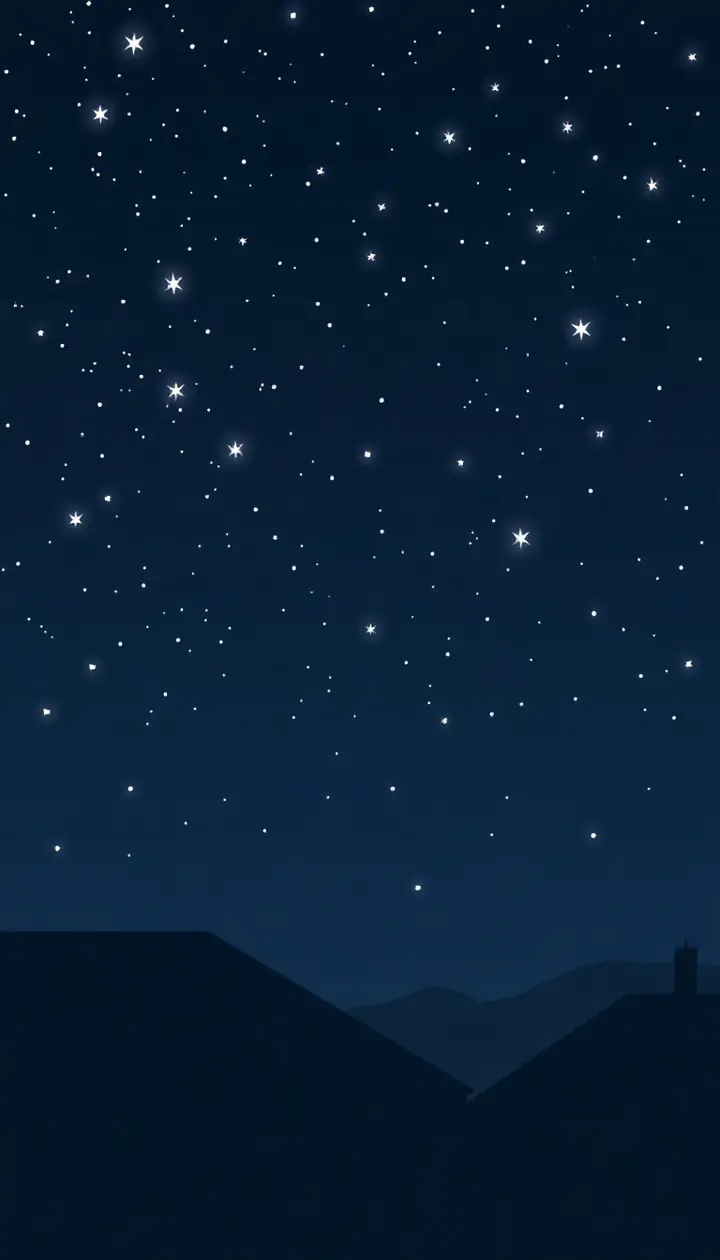
Even on a full moon night, if you stay outside for about 15 minutes and let your eyes get used to the dark, you'll definitely see more stars. And if you hide the Moon behind a building or tree to keep it out of your field of view, the sky's contrast comes back.
Even so, faint glows like the Milky Way are out of reach on a full moon night. On nights when you want to see dim stars, the smart move is to look up moonrise and moonset times and aim for when the Moon is out of the sky.
You might also like
What the video says
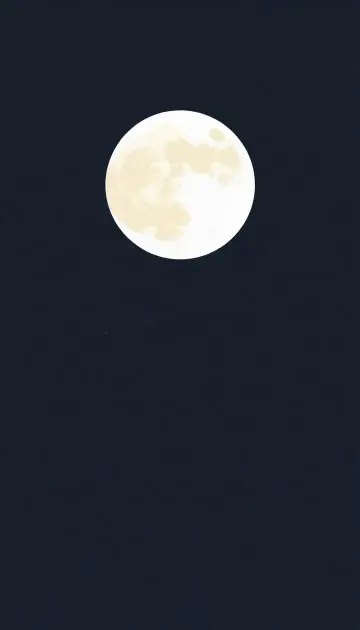
Ever looked up on a full moon night and seen only a scattering of stars?
It turns out the culprit is the Moon's own bright light.
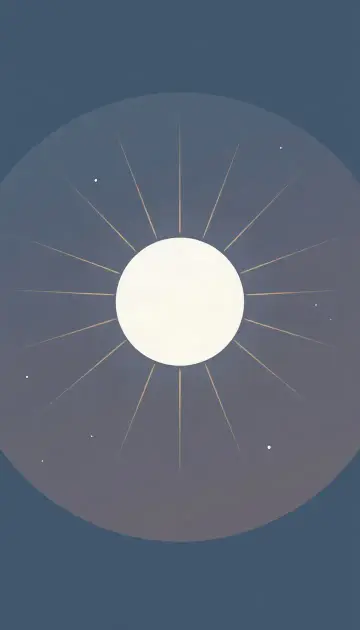
The full Moon reflects sunlight and shines far brighter than it does around the new moon.
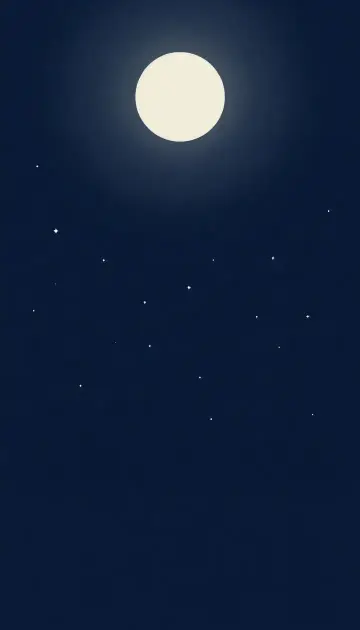
That brightness faintly lights up the whole sky and washes out the light of dimmer stars.
In fact, stargazers often avoid full moon nights.
Sources
- 流星群の観察方法Japanese“How to Observe Meteor Showers”National Astronomical Observatory of Japan
- 暦Wiki/月の満ち欠け/月齢と満ち欠けJapanese“Calendar Wiki / Phases of the Moon / Moon Age and Phases”Ephemeris Computation Office, National Astronomical Observatory of Japan
- 他では得られないシャープな天体像Japanese“Sharp Images of Celestial Objects You Can't Get Anywhere Else”Subaru Telescope, National Astronomical Observatory of Japan
Spotted a mistake in the article or the translation? Let us know.
Report an error (contact form in Japanese, opens in a new tab)