On this page
A closer look
Shirt numbers were just "the order on the team sheet"
In England, shirt numbers were tried out in league matches in 1928. The most common setup at the time was the "2-3-5" (from back to front: 2 defenders, 3 midfielders, 5 forwards). The team sheet was written starting with the goalkeeper, and players were numbered 1 to 11 in that order, so you could tell a player's position just by looking at their number.
- No. 1: Goalkeeper
- Nos. 2 and 3: The two defenders (full backs)
- Nos. 4, 5 and 6: The three midfielders (halves)
- Nos. 7–11: The five forwards
The center forward in the middle of the front line wore No. 9, and No. 10 was the position just to his left, known as the "inside left." When the video mentions "close to the heart of the attack," this is the position it's referring to.
Pelé's No. 10 was "pure chance"
The player who made No. 10 famous worldwide was Brazil's Pelé. He played at the 1958 World Cup in Sweden at age 17, scoring six goals, including two in the final, and played a big part in Brazil's first title.
However, according to a FIFA article, while there are several accounts of how Pelé came to wear No. 10, they all agree on one point: he ended up with the number by chance. Pelé himself recalled that "back then, nobody cared about the No. 10."
In other words, it wasn't that "No. 10 was special, so it was given to a great player." It's easier to think of it the other way around: Pelé's performances made No. 10 a special number.
No. 10 became "the number everyone wants"
After that, No. 10 became a number great players aspired to wear. For example, at the 1982 World Cup, Argentina assigned shirt numbers in alphabetical order by player name, so their starting goalkeeper wore No. 7. The only exception was Maradona, who got No. 10 as he'd requested.
By FIFA's count, as of just before the 2026 tournament, players wearing No. 10 had scored 315 World Cup goals, second only to No. 9 (322 goals).
Under today's rules, there's nothing special about No. 10
The Laws of the Game themselves don't specify who wears which number; numbering rules are set by each competition. Under the regulations for the 2026 World Cup, the numbers 1 through 26 can be used, and about the only rule on how they're assigned is that "No. 1 must go to one of the goalkeepers." There's no special rule for No. 10.
"No. 10 = ace" isn't a rule. It's a "culture" that grew out of the history built up by great players.
Related reads
What the video says
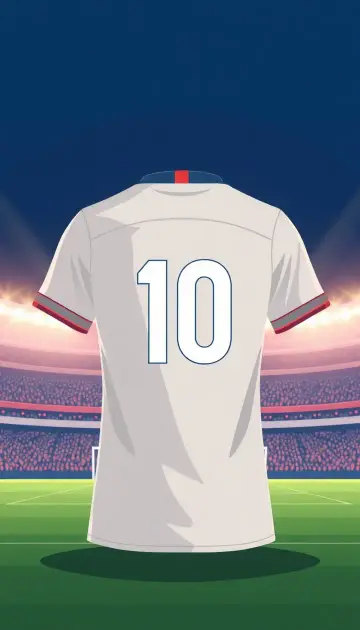
The No. 10 shirt in soccer. Don't you get the feeling it's somehow the mark of a team's ace?
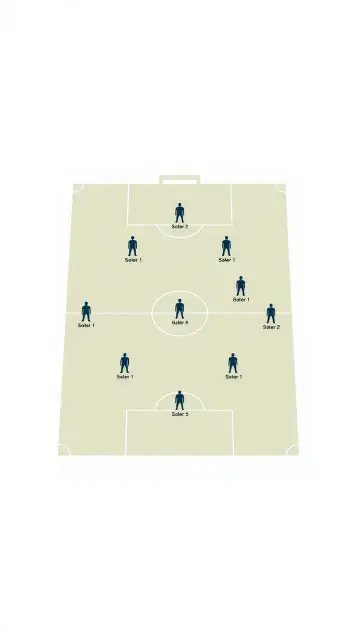
Actually, shirt numbers were originally just assigned according to position.
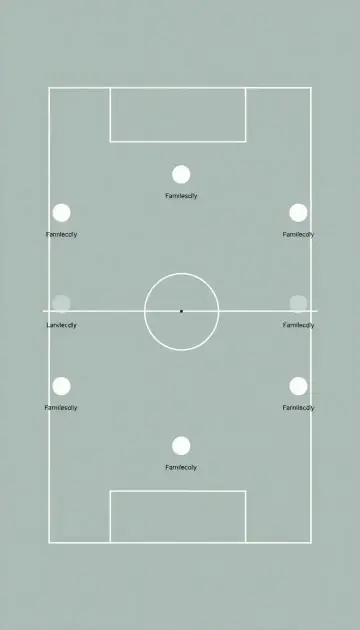
Among them, the leading theory is that No. 10 sat close to the heart of the attack in the formations of the time.
Then, one exceptionally skilled player after another wore this number and built a legend around it.
There are various theories about its origins, but this is said to be how the "No. 10 = ace" culture took root around the world.
Sources
- The No 6 position in football explainedPremier League (Coaches' Voice)
- The baby GOATFIFA
- 26 days to go: Scoring in every shirt numberFIFA
- Law 4 - The Players' EquipmentIFAB (International Football Association Board), Laws of the Game
- Regulations for the FIFA World Cup 26™FIFA, 2026
Spotted a mistake in the article or the translation? Let us know.
Report an error (contact form in Japanese, opens in a new tab)