On this page
A closer look
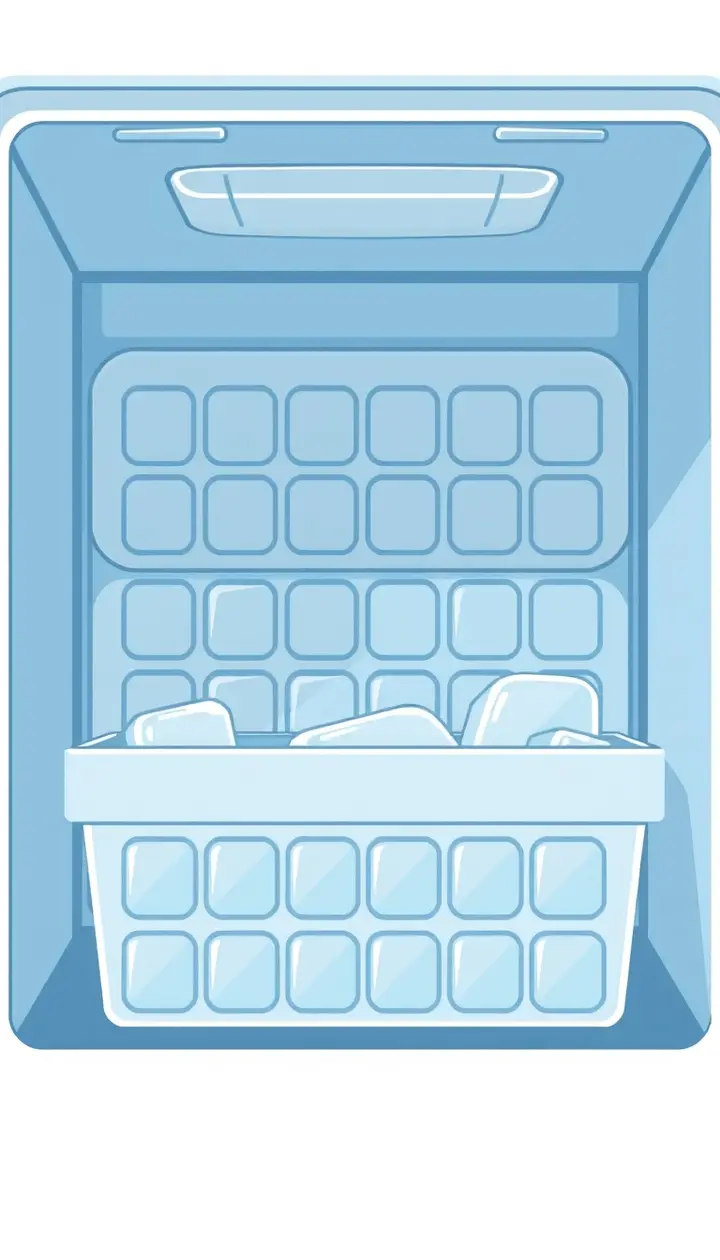
Frost is "water vapor that froze directly"
As the video explains, frost starts out as water vapor in the air. The Japan Meteorological Agency defines frost as "ice crystals formed when water vapor in the atmosphere sublimates and attaches to the ground or to objects." Sublimation here means that gaseous water vapor turns straight into solid ice without passing through liquid water first. Recent Japanese high school chemistry textbooks now call this gas-to-solid change gyōka (凝華, known in English as deposition), to distinguish it from the reverse solid-to-gas change (sublimation).
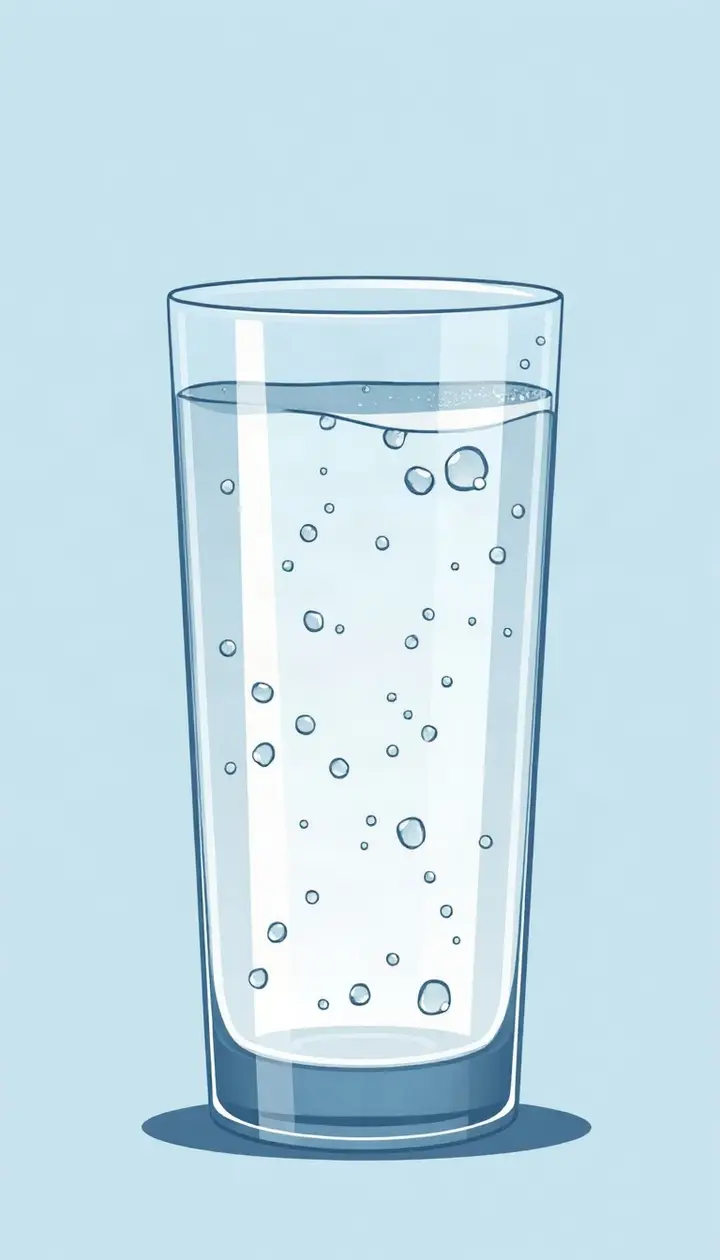
In the video, we said it's "similar to the droplets that form on a cold glass, and inside a freezer those droplets just freeze." It's true that, just like condensation on a glass, water vapor in the air comes out onto a cold surface. Strictly by definition, though, frost is ice crystals formed directly from water vapor without becoming droplets first. Some explanations, like Hitachi's support information, say that "condensed moisture gets chilled and turns into frost," so in a real freezer it's best to think of ice building up by both routes.
Where does the water vapor come from?
The biggest entry point, as the video says, is opening and closing the door. Hitachi explains that every time the door opens, humid outside air gets in, and frost forms because of the difference in temperature and humidity between the outside air and the inside of the freezer. Hisense's instruction manual also says frost increases when humidity is high, or when the door is left open for a long time or opened and closed many times.
That said, the video's line that it "isn't moisture from inside the freezer" goes a bit too far. Hitachi notes that when you store foods with a lot of moisture, that moisture can sublimate (ice turning directly into water vapor) and then freeze into frost when the surrounding air cools. IRIS OHYAMA also lists the following as causes of heavy frost:
- Putting hot food in without letting it cool first
- Putting in food that contains water or moisture without wrapping it in plastic wrap or similar
- The door being left slightly ajar, or being opened and closed often (including cases where a damaged door seal leaves a gap)
Both outside air and moisture from food can be sources of frost. And because the inside of a freezer stays below freezing the whole time, frost that forms never melts and keeps getting thicker little by little.
"Fan-type" and "direct-cooling" freezers frost up differently
Home refrigerators use two main cooling methods.
- Fan-type (indirect cooling / forced cold-air circulation): A cooling unit (the part that makes cold air) sits hidden at the back, and a fan blows the cold air it produces into the compartments. According to Hitachi, these models automatically remove frost from the cooling unit based on how long they've been running and how much the temperature has risen. Almost all typical refrigerators with multiple doors use this method.
- Direct-cooling (natural cold-air convection): The cooling unit is inside the compartment, and the walls cool things directly. IRIS OHYAMA explains that because the air contains moisture, frost forms inside, and in humid places you need to defrost. At Hitachi, small refrigerators with a capacity of less than 100 liters use this method.
One thing to keep in mind: even with fan-type models, only the hidden cooling unit gets defrosted automatically (Hitachi). Frost that forms on the surface of food or around containers won't be removed automatically.
How to defrost, and what to watch out for
Thick frost is especially a problem for direct-cooling models. Hitachi says that when frost forms on the cooling unit, cooling power drops, power consumption rises, and your electric bill goes up. Hisense's instruction manual for a direct-cooling refrigerator also says that heavy frost in the freezer lowers cooling performance and wastes electricity, so you should defrost once it reaches about 1 cm (roughly 0.4 inches) thick.
The basic rule is to follow the steps in your instruction manual. Based on explanations from Sharp and Hisense, the process generally goes like this:
- Take out the food and ice trays
- Set the temperature control to "0" or similar to stop the cooling
- Catch the melted water with a tray or cloth and wipe it up
- Return to the original setting, and put the food back once the inside is cold enough
It's important not to scrape the frost with knives, ice picks, metal spatulas, or similar tools. Sharp warns that if you puncture a cooling pipe, refrigerant (the gas used for cooling) can leak, with a risk of fire or explosion. Hisense's manual gives the same warning, since it uses a flammable refrigerant. The manuals also say to avoid melting frost with a hair dryer or other heat source, because it could warp the unit.
To keep frost from building up, it helps to keep out the water vapor that causes it: open the door less often and for shorter periods, let hot food cool before putting it in, and wrap food in plastic wrap or sealed containers.
Related reads
What the video says

You know how white frost can slowly coat the walls of your freezer and the surface of your food before you even notice?
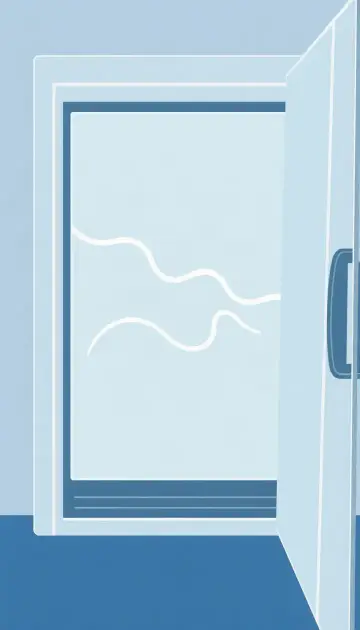
Actually, that frost isn't moisture from inside the freezer that froze. It's water vapor from the air that got in from outside.

Every time you open the door, warm, humid air flows inside. When that water vapor touches the cold walls, it freezes instantly into frost.

It's similar to the droplets that form on the outside of a cold glass. Inside a freezer, those droplets just freeze where they are.
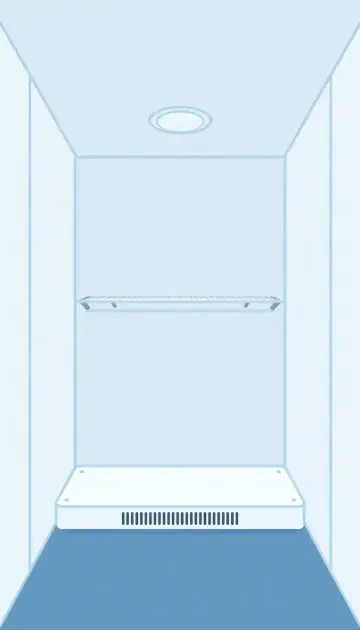
When frost gets thick, cooling efficiency drops, so defrosting regularly is the key to keeping your freezer in good shape.
Sources
- 霜・結氷の観測Japanese“Observation of Frost and Ice”Japan Meteorological Agency
- 高等学校 化学基礎 用語・定義の変更点(2022年度以降用 内容解説資料)Japanese“High School Basic Chemistry: Changes in Terms and Definitions (Explanatory Material for 2022 Onward)”Shinko Shuppansha Keirinkan
- 冷凍室内や冷凍した食品に霜がつきます。Japanese“Frost forms inside the freezer and on frozen food.”Hitachi Home Appliances (Support Information)
- 冷蔵庫内に付いた霜は取った方が良いですか?Japanese“Should I remove frost that has formed inside the refrigerator?”Hitachi Home Appliances (Support Information)
- 直冷式と間冷(ファン)式の動作の違いは何ですか?Japanese“What is the difference in operation between direct-cooling and indirect-cooling (fan) models?”IRIS OHYAMA (FAQ)
- 霜が多くつく。庫内が空でも霜がつく。Japanese“A lot of frost forms. Frost forms even when the refrigerator is empty.”IRIS OHYAMA (FAQ)
- 2ドア冷凍冷蔵庫 HR-B95A 取扱説明書(直冷式・手動霜取りタイプ)Japanese“2-Door Refrigerator-Freezer HR-B95A Instruction Manual (Direct-Cooling, Manual Defrost Type)”Hisense Japan
- 霜取り(冷凍室)のしかたJapanese“How to Defrost (Freezer Compartment)”Sharp (Support & Contact)
Spotted a mistake in the article or the translation? Let us know.
Report an error (contact form in Japanese, opens in a new tab)