On this page
- A closer look
- 0.1 seconds is set as the line "no one can react faster than"
- The blocks are doing the sensing
- Even one false start means disqualification
- The card color tells you what happened
- Middle and long distances are handled more leniently
- "Disqualified for reacting too fast" is a misunderstanding
- You might also like
- What the video says
- Sources
A closer look
0.1 seconds is set as the line "no one can react faster than"
World Athletics' competition rules (Technical Rules) include provisions for when an approved start information system is in use. The system indicates a possible false start when the reaction time is less than 0.100 seconds.
Here's what that number means.
The gun fires → the sound reaches the ear → the brain receives the signal → a command goes out to the muscles → the feet push against the blocks
This whole sequence inevitably takes time. Physiologically, it's considered impossible to get from hearing a sound to muscles starting to move in under 0.1 seconds. So if force is applied to the blocks in less than 0.1 seconds, the athlete is judged to have started moving before hearing the sound.
In other words, the 0.1-second figure isn't there to "punish reactions that are too fast." It's a threshold for "detecting that someone jumped before the sound."
The blocks are doing the sensing
The human eye can't see a difference of 0.01 seconds. That's why pressure sensors are built into the starting blocks.
The blocks record changes in foot pressure and measure the time elapsed since the gun. If it comes in under 0.100 seconds, the system issues a warning and a recall signal is given.
Under the Japan Association of Athletics Federations' competition rules, if a start information system approved by World Athletics indicates a false start, that athlete may not continue in the event. The exception is when the Referee recognizes that the system is clearly inaccurate. The machine doesn't make the final call; human judgment still has the last word.
Even one false start means disqualification
The rules got stricter in 2010. Here's the Japan Association of Athletics Federations' explanation:
World Athletics (WA) revised its rules on false starts (commonly called "flying" in Japan) starting in 2010. At WA events, in track events other than combined events, athletes are disqualified on their first false start. This rule is also applied at the Japan Championships.
Disqualified on the first one. Previously, the first false start only drew a warning, and disqualification came on the second.
Combined events (the decathlon and heptathlon) are the only exception: a first false start doesn't result in disqualification. Because a disqualification in one event would ruin the athlete's overall result, some leniency remains.
The card color tells you what happened
The Japan Association of Athletics Federations explains what the cards shown at the start mean.
If you know what the card colors shown at the start mean, you can tell what's happening on the track. After the recall gun is fired, when a red-and-black card is shown to an athlete, it means disqualification for a false start. False-start disqualifications don't apply only to sprints; they apply to all running events, including middle- and long-distance races.
Red and black card = disqualification for a false start. And it's not just about sprints.
A green card is waved for a "no count." This is when the cause was something like an equipment malfunction and the athlete is not at fault.
A green card means the athlete isn't responsible. When the start is redone because of an equipment malfunction or similar, no false start is charged to the athlete.
In combined events, a yellow-and-black card is shown for the first false start, but in other cases a yellow card may be shown. It's shown when the athlete is judged to have engaged in something like intentional "delaying," and on the second occasion a red card is shown and the athlete is disqualified (removed from the competition).
Yellow and black is for a first false start in combined events. Any other yellow card is a warning for delaying. This covers things like deliberately taking your time getting set or holding up the start, and a second offense means disqualification.
If you know the card colors, you can tell what's going on after a recall.
Middle and long distances are handled more leniently
Even under the same rules, how they're applied varies by event. For standing starts in middle-distance races and longer, athletes can easily lose their balance, so strict enforcement isn't required; the call is made by eye, and usually the start is simply redone.
Since starting blocks aren't used, reaction time can't be measured by sensors. So it comes down to human judgment.
There's also a provision that in combined events and road races, including ekiden (Japanese long-distance relay road races), only one false start is allowed per race.
"Disqualified for reacting too fast" is a misunderstanding
This is the point many people get wrong. Saying "reacting in 0.1 seconds is a foul" makes it sound like speed itself is being punished.
But the rule actually works the other way around. Anything under 0.1 seconds is considered "not a reaction." And if it's not a reaction, it must be the result of starting to move before the gun—in other words, a false start.
That's why top sprinters aim for a reaction time just above 0.1 seconds. Getting out in 0.11 or 0.12 seconds is close to the theoretical limit. Clocking 0.09 seconds doesn't prove you're fast; it proves you're disqualified.
Now that machines measure to the 0.001-second, the start has become "a skill of aiming right at the limit." Caught between the instinct to read the timing of the gun and the rule that they must not move early, athletes walk a razor-thin line.
You might also like
What the video says

In sprint races, jumping the start is a foul called a false start. But actually, you can be called out just for reacting faster than the sound of the starting gun.
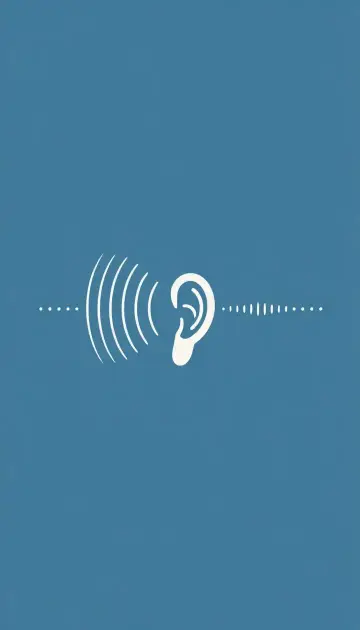
It's said that from the moment a person hears a sound until their body starts moving, it takes about 0.1 seconds, no matter how fast they are.
So if someone moves in less than 0.1 seconds, they're judged to have started moving before they heard the sound. In other words, a false start.

We can tell this because special sensors that measure athletes' reactions are built into the blocks.

It turns out to be a surprisingly scientific way of judging, one that turns the limits of human reaction time to its advantage.
Sources
- 陸上競技ガイド/ルール解説Japanese“Athletics Guide / Rules Explained”Japan Association of Athletics Federations
- 競技規則(Technical Rules)Japanese“Competition Rules (Technical Rules)”Japan Association of Athletics Federations
- Technical Rules (Book C)World Athletics
Spotted a mistake in the article or the translation? Let us know.
Report an error (contact form in Japanese, opens in a new tab)