What the video says
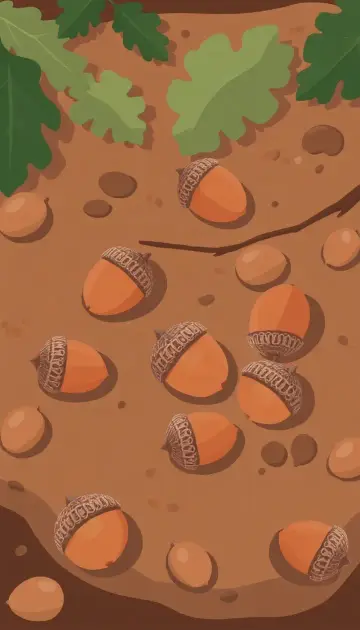
That cap on top of an acorn isn't actually part of the fruit. It's a separate structure that holds the nut.
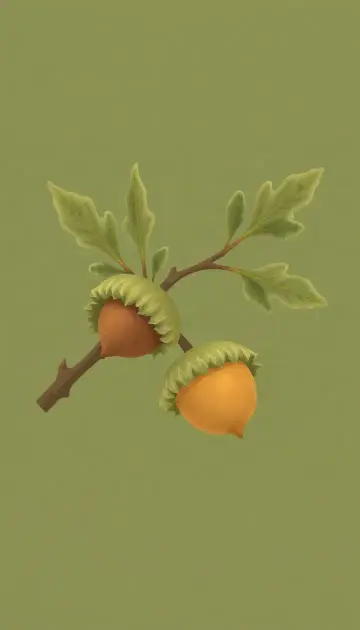
The cap is called a cupule, and it forms from bracts, small leaflike parts gathered at the base of the female flower.
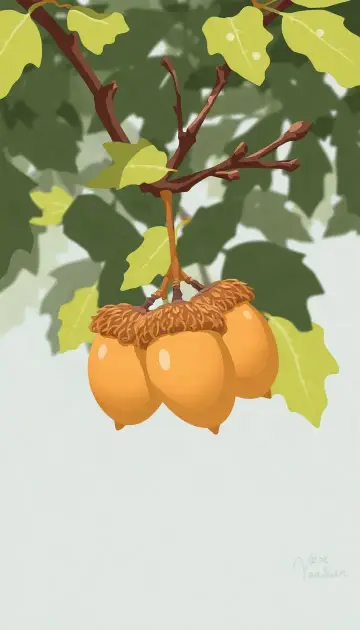
While the acorn is still on the tree, the cupule is thought to hold up and protect the developing nut.
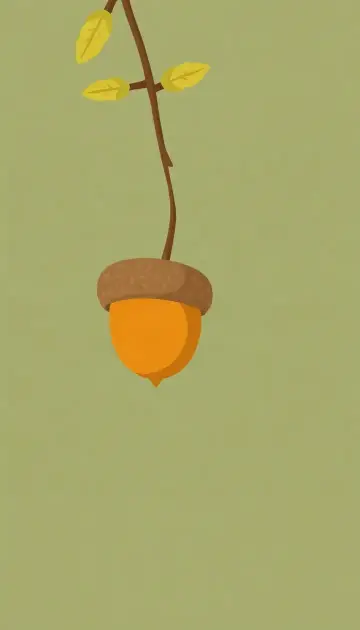
According to observations of Japanese white oaks at a university, acorns often seem to fall with their caps still on, but on the ground they were usually separated from them.
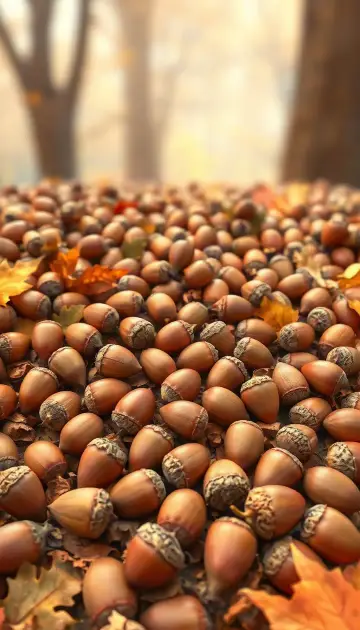
In those observations, only about 1 in 100 acorns on the ground was estimated to still have its cap.
Spotted a mistake in the article or the translation? Let us know.
Report an error (contact form in Japanese, opens in a new tab)