On this page
A closer look
Yellow is a color that was "there all along"
According to an explainer from the University of Maine, leaves contain not only green chlorophyll but also yellow and orange pigments called xanthophylls and carotenes. Carotene is the same pigment that gives carrots their color.
During summer, there's so much chlorophyll that the yellow stays hidden. In autumn, as days shorten and temperatures fall, leaves stop making chlorophyll, and what's left breaks down. Once the green fades, the hidden yellows and oranges come into view.
In other words, yellow leaves aren't the result of making a new color. They're what's left after the green goes away.
Red is a color "newly made in autumn"
Red forms in a different way.
A paper by Feild and colleagues in the plant science journal Plant Physiology explains that while yellow and orange leaves simply reveal pigments that were already there, many red leaves get their color by newly producing anthocyanins (red and purple pigments).
According to the University of Maine, the raw material for anthocyanins is sugar made in the leaf during the day. Turning red takes a lot of that sugar.
Sunny days and nights that get cold, but not freezing
This is where the weather comes in.
The University of Maine explains that red colors get stronger with a run of warm, sunny days and nights where the temperature drops below 45°F (about 7°C) but stays above freezing. On the flip side, with too little sunlight, leaves make less sugar, and there isn't enough to produce red pigments. The university says that autumns with many warm, rainy days tend to produce less red.
Based on earlier research, the Feild paper also notes that strong light and low temperatures short of freezing intensify red leaf color.
The video described this as "the temperature swing between day and night," but to be more precise, the conditions the sources cite are a combination of "plenty of sunshine during the day so lots of sugar is made" and "cold nights (but not freezing)." Warm days and cold nights naturally mean a big temperature swing, so the video's explanation can be seen as a one-line summary of this combination.
What about water? The video said that "with enough moisture in the soil, the colors become even more vivid."
The University of Maine likewise says that temperatures that aren't too hot, along with plenty of rain from spring through summer, usually lead to the best fall colors.
However, the Feild paper notes that mild drought also intensifies red color. The sources emphasize different things when it comes to water, so we can't go so far as to say "the more water, the more vivid the colors."
Why go to the trouble of making red?
Why would a leaf that's about to fall bother making a brand-new pigment?
Feild and colleagues compared leaves that turn red with ones that don't on red-osier dogwood, a shrub in the dogwood family. They found that anthocyanins formed a pigment layer in the cells on the upper side of the leaf, reducing the light reaching the chloroplasts. The paper suggests this protects the weakening leaf cells from damage caused by strong light. By limiting that light damage, it may help the tree pull nutrients back out of the leaf before it drops.
The red color may be a kind of "sunshade" that protects the recovery of nutrients before the leaf falls.
Leaves are changing color later than they used to
To track the progress of the seasons and changes in climate, the Japan Meteorological Agency observes "maple red (or yellow) leaf coloring" at 51 locations across Japan. For red leaves, the observed species are Japanese maple (iroha kaede) and two related maples, yama momiji and oomomiji; for yellow leaves, it's the painted maple (itaya kaede).
According to the agency's Climate Change Monitoring Report 2023, the date of maple leaf coloring has been getting later at a rate of 3.0 days per decade since 1953. Because the coloring date is closely tied to average temperatures in the preceding period, long-term warming is thought to be one of the causes.
Further reading
What the video says
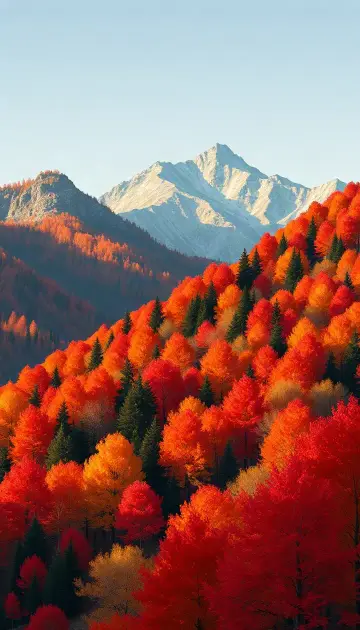
Even the same tree can have years with gorgeous fall colors and years with dull ones. One of the big factors behind that difference is the temperature swing between day and night.
Leaves look green because they contain a green pigment called chlorophyll. In autumn, as the days get shorter and temperatures drop, this chlorophyll breaks down and disappears.
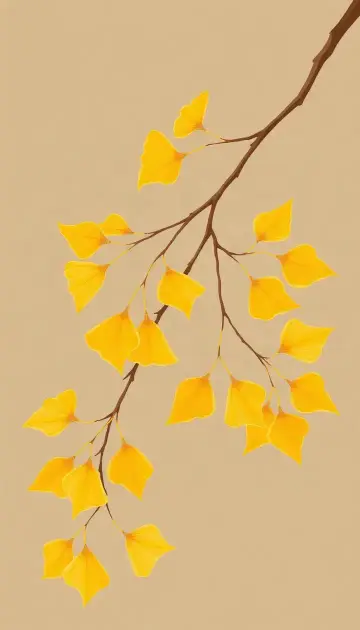
That reveals yellow pigments that were in the leaf all along. This is what turns ginkgo and similar trees yellow.
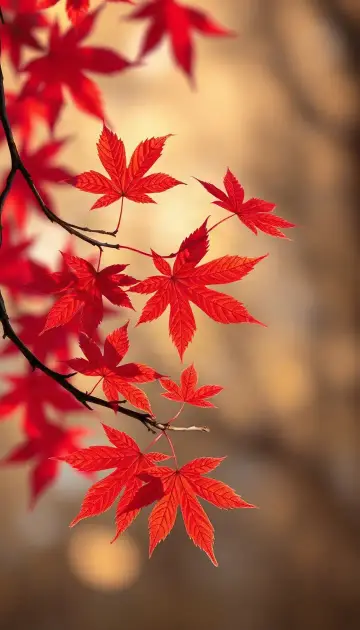
Maples and other trees that turn red work a little differently. Their red pigments are newly made inside the leaf once autumn arrives.
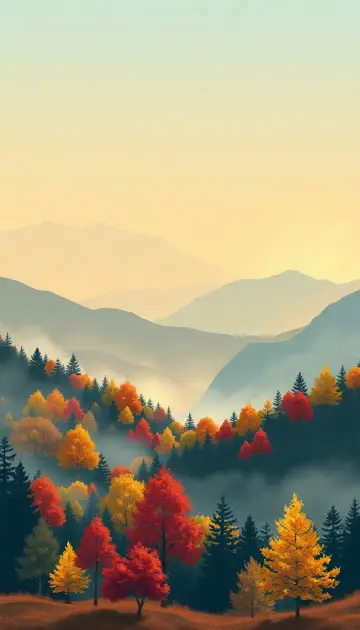
These red pigments are made in abundance when warm, sunny days are followed by nights that get cold but not freezing. With plenty of sunlight and enough moisture in the soil, the colors become even more vivid.
The colored leaves eventually fall. This is to prepare for winter, and one reason is to cut down on water loss. The tree builds a special layer of tissue at the base of each leaf to cut it off.
Sources
- Bulletin #7078, Facts About Leaf Color in MaineUniversity of Maine Cooperative Extension, revised 2014
- Why Leaves Turn Red in Autumn. The Role of Anthocyanins in Senescing Leaves of Red-Osier DogwoodFeild T.S., Lee D.W. & Holbrook N.M., Plant Physiology, 2001
- 気候変動監視レポート2023 2.7 日本におけるさくらの開花・かえでの紅(黄)葉日の変動Japanese“Climate Change Monitoring Report 2023, 2.7 Variations in Cherry Blossom Flowering Dates and Maple Red (Yellow) Leaf Coloring Dates in Japan”Japan Meteorological Agency
Spotted a mistake in the article or the translation? Let us know.
Report an error (contact form in Japanese, opens in a new tab)