On this page
- A closer look
- The film's thickness decides the color
- The film starts thinning the moment the bubble forms
- Why the change speeds up "right before it pops"
- Once the black spots spread, it's over
- What holds the bubble together is running out
- Bubbles last longer in winter
- The same thing happens with oil films
- Related reading
- What the video says
- Sources
A closer look
The film's thickness decides the color
An explainer from Toho University walks through how it works, step by step.
No matter how thin a film looks, it actually has thickness. A, B: Light reflected off the surface of the film A2, B2: Light that passes through the surface of the film and reflects off its back side
The film has a front and a back, and light reflects off both. When these two reflections come back, they've traveled different distances, so their waves end up out of step.
The A2 and B1 light interfere with each other, producing effects in which they reinforce or cancel each other out. This changes depending on the size of the wave for each wavelength.
The key part is "changes depending on the size of the wave for each wavelength." Whether light reinforces or cancels out differs for each color (wavelength).
The colors that get reinforced are the ones you see. And which colors get reinforced is determined by the film's thickness.
The rainbow-colored patterns that appear on the surface of soap bubbles are caused by this thin-film interference.
The film starts thinning the moment the bubble forms
A soap bubble's film isn't standing still. It gets thinner for two reasons.
1. Gravity pulls the water down
The water in the film falls downward under gravity. So the top gets thinner and the bottom stays thicker. The bands of color lined up horizontally and slowly sliding downward are that thickness pattern on the move.
2. The water evaporates
Water escapes from the surface of the film. The layer of surfactant slows evaporation down, but it can't stop it.
Between these two, the film steadily gets thinner over time. And when the thickness changes, the reinforced color changes. That's why the colors keep shifting.
Why the change speeds up "right before it pops"
While the film is thick, a small change in thickness only shifts the reinforced color gradually.
But as the film gets thinner, even a tiny difference in thickness starts to change the color dramatically. On top of that, the thinner it gets, the larger the share of the remaining water that drains or evaporates, so the thinning itself speeds up.
As a result, the color changes accelerate toward the end. When you see the colors "swirling right before it pops," you're watching the film thin out more and more rapidly in its final stage.
Once the black spots spread, it's over
In the very thinnest parts, something happens.
When the film becomes much thinner than the wavelength of light, the light reflected off the front and the light reflected off the back travel nearly the same path, and they cancel each other out almost completely. That part of the film stops sending light back.
That's why it looks black. The color hasn't disappeared; the reflection has.
Once these black areas appear, the film has thinned to its limit. It breaks right after. If you watch a soap bubble closely, you can see the sequence: first a black spot forms, then it spreads, and then the bubble pops.
What holds the bubble together is running out
As the film thins, it also gets structurally weaker.
Surfactant molecules line both sides of the film. As the Japan Soap and Detergent Association explains, surfactants only work at a concentration high enough to form micelles.
Detergents achieve their strong cleaning power when the molecules of their main ingredient, surfactants, disperse in water and form clusters called "micelles."
As the water in the film decreases, the molecules become relatively more concentrated, but once the film itself gets close to the thickness of two layers of molecules, there's no water layer left. At that point, it can no longer hold together as a film.
The color changes and the popping come at the same time because both stem from a single process: the film getting thinner.
Bubbles last longer in winter
By the same logic, how long a bubble lasts depends on its surroundings.
When it's cold, water evaporates more slowly, so the film thins at a slower pace. High humidity also slows evaporation.
That's why soap bubbles are harder to pop in winter. The colors change more slowly too, which makes it a great time to watch them.
On the other hand, outdoors on a dry summer day, the colors start racing the moment the bubble forms, and it pops in no time.
The same thing happens with oil films
Toho University's explainer gives another example of the same phenomenon.
For example, when sunlight hits a film of oil spread over water, complex layers of color appear on the surface. This isn't because the oil contains pigments of many colors, but the result of complex refraction and interference of light by the thin film of oil.
The rainbow sheen of oil floating in a parking lot after the rain is the same thin-film interference. And oil films, too, change color as they spread out and get thinner.
Structural color can be described as color produced by the interference, diffraction, and scattering of light.
Color produced without pigments is called "structural color." Soap bubbles are the most familiar example of structural color, showing you right before your eyes how the colors change when the structure changes.
Related reading
What the video says
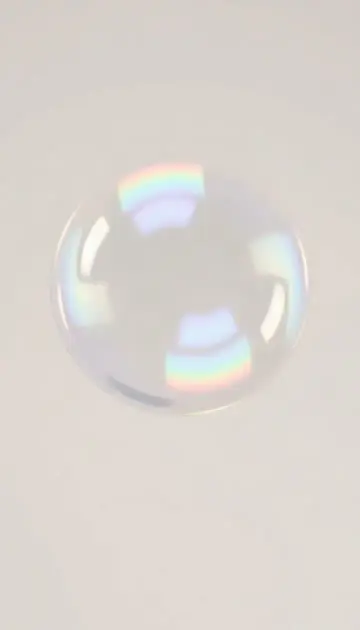
The surface of a soap bubble is a film of water and soap so thin you can barely see it.
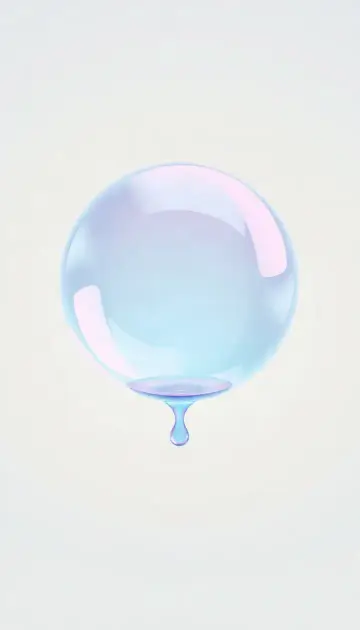
The water inside this film slowly drains downward. Gravity makes the film get thinner and thinner.
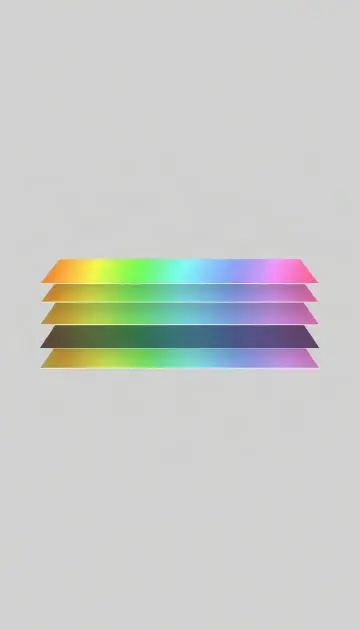
When the film's thickness varies from place to place, the color of the reflected light changes too. That's what creates the rainbow patterns.
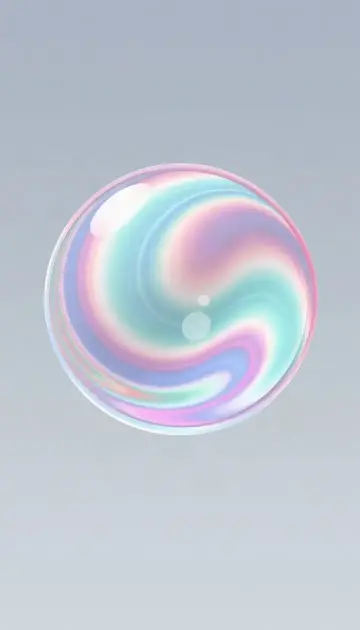
Right before it pops, the film gets as thin as it can possibly be, so the colors change very quickly and seem to swirl.
Next time you see a soap bubble, keep an eye on how its colors move just before it pops.
Sources
- 青い魚はなぜ青い-魚の体色変化の不思議を探る-(薄膜干渉)Japanese“Why Are Blue Fish Blue? Exploring the Mysteries of Color Change in Fish (Thin-Film Interference)”Toho University Virtual Laboratory
- 小ワザ裏ワザ(洗たくの基本)Japanese“Tips and Tricks (Laundry Basics)”Japan Soap and Detergent Association
Spotted a mistake in the article or the translation? Let us know.
Report an error (contact form in Japanese, opens in a new tab)