On this page
A closer look
The Moon is in the sky about as much by day as by night
The Moon doesn't produce its own light; it shines by reflecting sunlight. According to NASA, the Moon spends roughly as much time in the sky during the day as it does at night. The only reason we notice it less in the daytime is that the bright Sun is out.
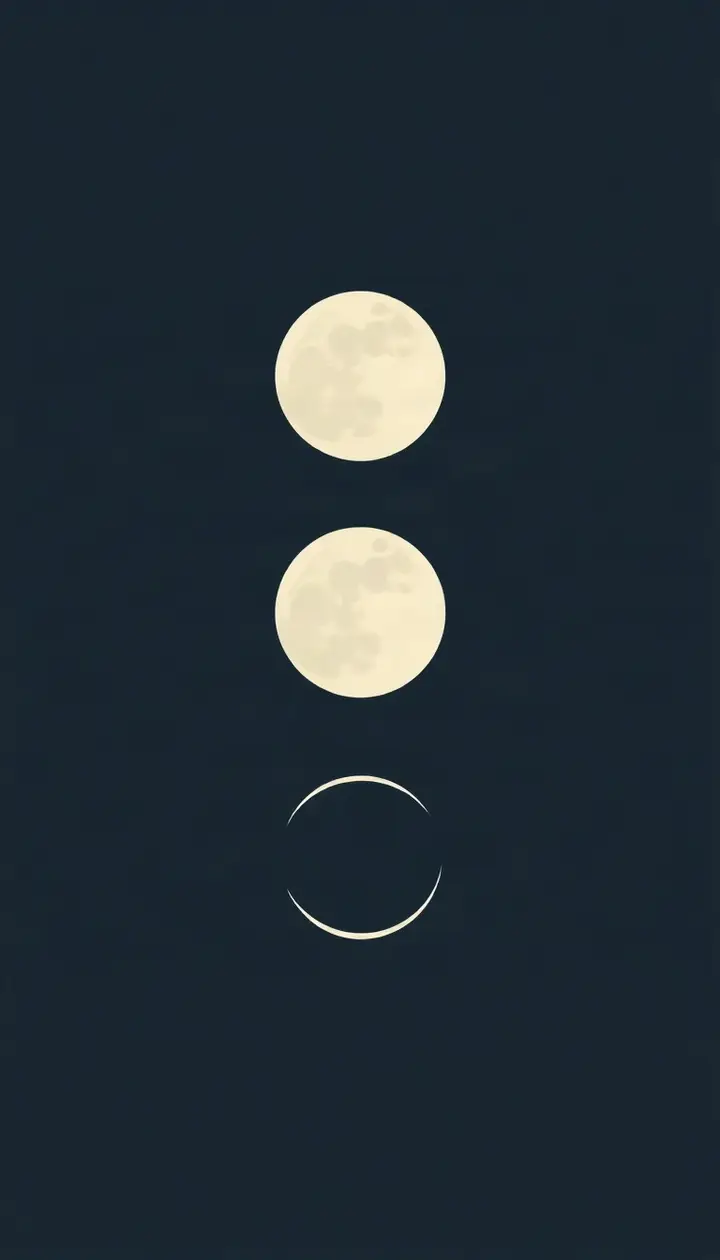
That said, when the Moon is up depends on its phase. After the new moon, the Moon moves about 12 degrees east of the Sun each day, completing a full cycle of phases in about 29.5 days on average. Because its angle relative to the Sun keeps changing, the times of moonrise and moonset shift a little every day.
Easiest to spot around first and last quarter
According to the National Astronomical Observatory of Japan (NAOJ), the first quarter moon (around 7 days old) rises in the east around noon and is in the southern sky around sunset. In other words, a half moon is floating in the afternoon blue sky. The last quarter moon (around 22 days old) rises at midnight and sets in the west around noon, so you can see it in the western sky from morning until late morning.
Around the half-moon phases, the Moon is about 90 degrees away from the Sun. Its lit portion is also large, so the glaring Sun doesn't get in the way as much, and it's easy to find even against a blue sky.
Why is it hard to see around the new moon or full moon?
Around the new moon, the Moon is in nearly the same direction as the Sun. On top of that, its lit side isn't facing Earth, so it can't be seen for about a day on either side of the new moon. A thin crescent moon is also near the Sun during the day, but because its lit sliver is thin and dim and it sits close to the Sun, it's quite hard to find.
The full moon, on the other hand, is directly opposite the Sun. It rises around sunset and sets around sunrise, so during the day it's mostly below the horizon. A few days before the full moon, you may see it in the eastern sky in the late afternoon; a few days after, in the western sky in the morning.
The daytime Moon looks pale and whitish because the air between us and the Moon scatters sunlight, making the whole sky glow blue. That bright skylight is layered on top of the moonlight, so the Moon doesn't look as crisp as it does at night.
Is the far side of the Moon "never visible"?
As the video explains, the Moon always shows the same face to Earth because its rotation period equals its orbital period. However, the Moon's orbital speed varies depending on where it is in its orbit, while its rotation speed barely changes. In addition, its rotation axis is slightly tilted relative to its orbital plane. For these reasons, the Moon appears to wobble slightly, as if shaking its head. This wobble is called libration, and it shifts the Moon's orientation by up to about 8 degrees east-west and about 7 degrees north-south. Thanks to this, we can actually see a little bit of the edge of the far side from Earth.
The opening line, "no one has ever seen the far side," is also an overstatement. It's true that it can't be seen directly from Earth, but on October 7, 1959, the Soviet probe Luna 3 photographed the far side for the first time, and later probes have made detailed maps of it. Also, the far side is not "the side that's always dark." At new moon, it's the far side that's in sunlight.
Related reading
What the video says
You've probably noticed a faint white Moon in the sky during the day. The truth is, the Moon is still up there even while the Sun is out.
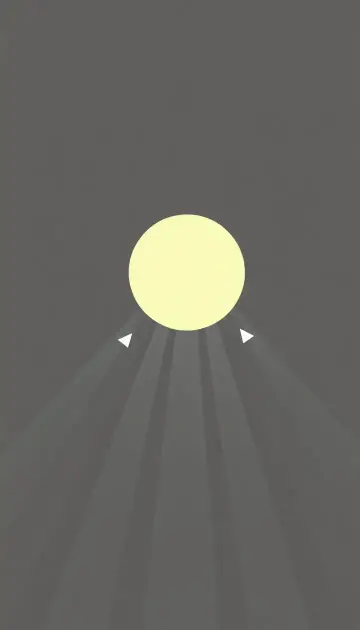
The Moon doesn't make its own light. It just reflects sunlight. So even when the Sun is up, you can see it if it's in the right position.
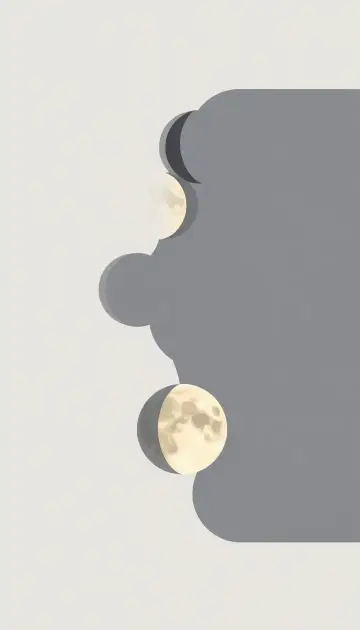
And that's also why the Moon seems to change shape. The portion of its lit side that we can see from Earth changes from day to day.
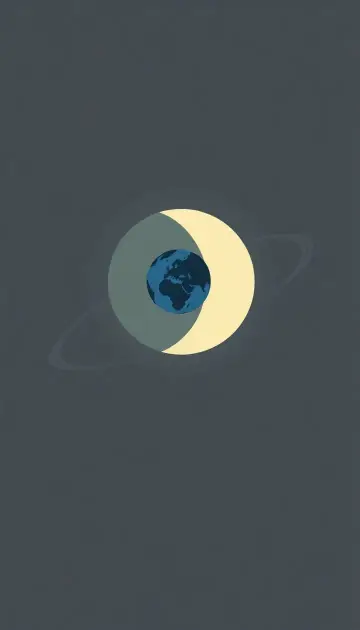
Even more interesting: the markings we see on the Moon are always the same. That's because the Moon takes exactly as long to spin once as it does to orbit Earth.
In other words, the far side of the Moon can never be seen from Earth. Next time you look up, remember the Moon's little secret.
Sources
- 月はいつどんなふうに見える?昼間も見えるの?Japanese“When and how can you see the Moon? Can you see it during the day?”National Astronomical Observatory of Japan
- 暦Wiki/秤動Japanese“Calendar Wiki / Libration”Ephemeris Computation Office, National Astronomical Observatory of Japan
- Moon PhasesNASA Science
- Top Moon QuestionsNASA Science
- First Close-up of the Far Side of MoonNASA Science
Spotted a mistake in the article or the translation? Let us know.
Report an error (contact form in Japanese, opens in a new tab)