On this page
A closer look
Same grass, different brightness depending on which way it leans
The stripes don't come from different types or colors of grass. Mowers used on match pitches have a roller that presses down the freshly cut grass, so the blades lean in the direction the mower traveled. When the mower goes up one row and comes back down the next, the direction the grass leans alternates from row to row, creating stripes.
According to turfgrass researchers, grass bent away from the viewer looks lighter, while grass bent toward the viewer looks darker. When the grass leans away from you, the long, flat surfaces of the blades face you and reflect plenty of light. When it leans toward you, you mostly see the tips of the blades, so there's less surface to reflect light.
Light and dark rows swap depending on where you stand
The video said that grass "looks bright when bent one way and dark when bent the other way," but what actually determines brightness isn't the direction itself. It's the direction relative to the viewer. A row that looks light from one side will be leaning toward you if you view it from the opposite side of the pitch, so it looks dark. That's why the light and dark stripes can switch places when you change seats in a stadium or when the broadcast cuts to a different camera.
The rules care about "lines," not "mowing"
The Laws of the Game (IFAB Law 1) state that the field of play must be natural grass, though artificial turf or a combination of both (hybrid) may be used if the competition allows it, that artificial surfaces must be green, and that no markings other than those specified in the Laws may appear on the field. However, there's no rule about how the grass is mowed or about stripe patterns.
The shape of the stripes is set by each competition's own regulations. For example, England's Premier League requires grass to be kept at 27 mm or shorter, and mowed in straight, parallel stripes running perpendicular to the touchlines across the full width of the pitch. Circles and diagonal patterns aren't allowed.
About the "easier to follow the ball" and "offside guide" claims
You often hear that the stripes "make it easier to follow the ball" or "help referees judge offside." The video also mentioned this, framed as something that "is said to" be true. However, neither the Laws of the Game nor competition regulations say the stripes are used for these purposes, and we couldn't find any material that confirms such an effect.
The offside law (Law 11) says offside is judged by comparing the position of a player's head, body and feet to the second-to-last opponent or the ball, and the grass stripes aren't part of that standard. Besides, since the light and dark stripes change depending on where you look from, they wouldn't work well as a measuring guide anyway. It's probably best to think of the stripes first and foremost as a visual touch that comes from caring for the grass.
Related reads
What the video says
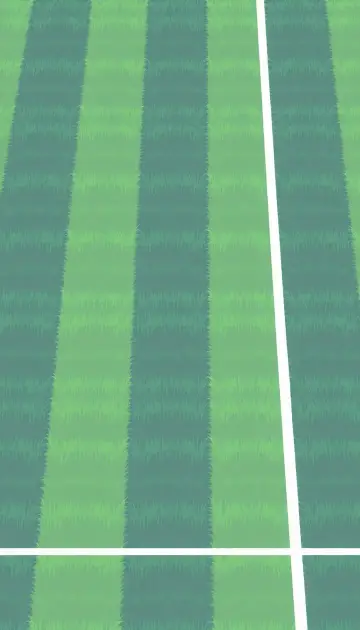
When you watch a soccer match on TV, have you noticed the dark green and light green stripes on the field?

It turns out the grass isn't actually different colors. It's the same grass, looking lighter or darker depending on the direction it reflects light.
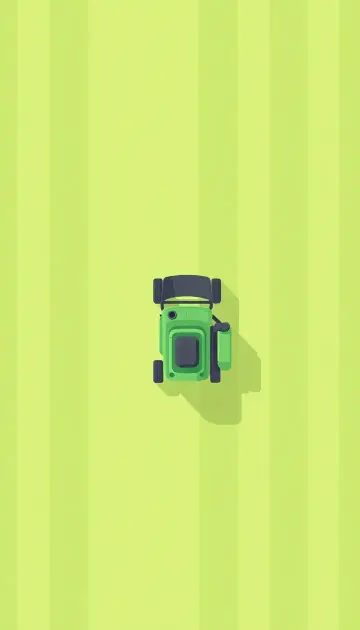
When a mower or roller bends the grass one way, it reflects light and looks bright. Bent the other way, it's shaded and looks dark.
These stripes don't just look nice. They're also said to make it easier for players and cameras to follow the ball.
Next time you watch a game, take a look at the grass and see if you can figure out how the pattern was made.
Sources
- How do they make those crazy designs on major league baseball outfields?American Society of Agronomy / Crop Science Society of America / Soil Science Society of America (News Release, 2018)
- Law 1 - The Field of PlayThe IFAB (Laws of the Game)
- Law 11 - OffsideThe IFAB (Laws of the Game)
- Pitch Standards Framework 2025 EditionPremier League
Spotted a mistake in the article or the translation? Let us know.
Report an error (contact form in Japanese, opens in a new tab)