On this page
A closer look
Oil gets "thick" more than it "solidifies"
The video said that "oil tends to solidify as it cools," but that depends on the type of oil.
Rapeseed oil (canola oil) and soybean oil, which are common in home kitchens, stay liquid at room temperature. What changes is how thick they are (their viscosity). A Spanish study (2012) measured the viscosity of vegetable oils and found that at 20°C (68°F), rapeseed oil was about 17 times thicker than at 140°C (284°F), and soybean oil was about 15 times thicker. The hotter the oil, the runnier it is; the cooler it gets, the thicker and gloopier it becomes.
Palm oil, on the other hand, is solid at room temperature, according to the Japan Oilseed Processors Association, and it's the second most used vegetable oil in Japan after rapeseed oil. Besides processed foods like potato chips and instant noodles, it's also used for frying in restaurants and elsewhere. With food fried in this kind of oil, the oil may actually start to solidify as it cools.
Oil doesn't "seep out"—it gets "sucked in"
The video explained that "while the food is warm, the oil stays inside the coating, but as it cools, the oil seeps out to the surface." However, research on fried foods shows the oil actually moves in the opposite direction.
During frying, the water inside the food turns to steam and escapes. Once the food is lifted out of the oil and starts to cool, the pressure inside drops and creates a suction effect, pulling the oil on the surface into the gaps left behind by the lost moisture.
In a Chilean study (2007), potato slices 3 mm thick were fried at 180°C (356°F) (averaged across three types of pre-treatment). Right when frying finished, about 38% of the oil was inside the food and about 62% remained on the surface. But during cooling, this flipped: about 65% got drawn inside, and only about 35% was left on the surface. A study on tortilla chips (1997) also found that more oil was absorbed during cooling than during frying.
Based on these results, it makes sense to put fried food on a rack or something similar right after frying and let the excess surface oil drain off well.
Soggy coating comes from "the moisture inside"
The most obvious change in cold fried food is that it loses its crunch. Freshly fried coating is low in moisture and snaps crisply. But the filling inside (meat, potato, and so on) still holds plenty of water. Since the dry coating sits right next to the moist filling, over time water gradually moves from the inside into the coating.
In a Chilean study on fried potatoes (2005), researchers first confirmed with thin fried slices that the higher the indicator of moisture (water activity), the less force it took to puncture them with an instrument (meaning the crisp resistance was weaker). They then measured the force needed to break through the outer crust of fried potato strips after they were lifted out of the oil, and found that it dropped during the first 5–6 minutes, then stayed roughly constant. The research team concluded that moisture building up in the crust and changing its properties is a major cause of the limpness. This is why that fresh-out-of-the-fryer crunch doesn't last long.
Why does it "feel greasy"?
To sum up, in cooled fried food:
- The coating absorbs moisture and goes from crispy to soft
- Oil on the surface gets drawn into the coating
- The oil itself becomes thick and heavy (and some oils start to solidify)
Instead of a coating that shatters lightly, you end up biting into a soft coating soaked with oil, so it's a natural explanation that this makes it feel greasier. That said, there isn't much research that directly tests whether "the same fried food feels greasier when cold" by changing only the temperature. It's best to keep in mind that which changes matter, and how much, is still not clear.
Also, not just with fried food but with any cooked food, avoid leaving it out at room temperature for a long time. Japan's Ministry of Health, Labour and Welfare recommends reheating leftovers thoroughly, to around 75°C (167°F) or higher.
Related reads
What the video says
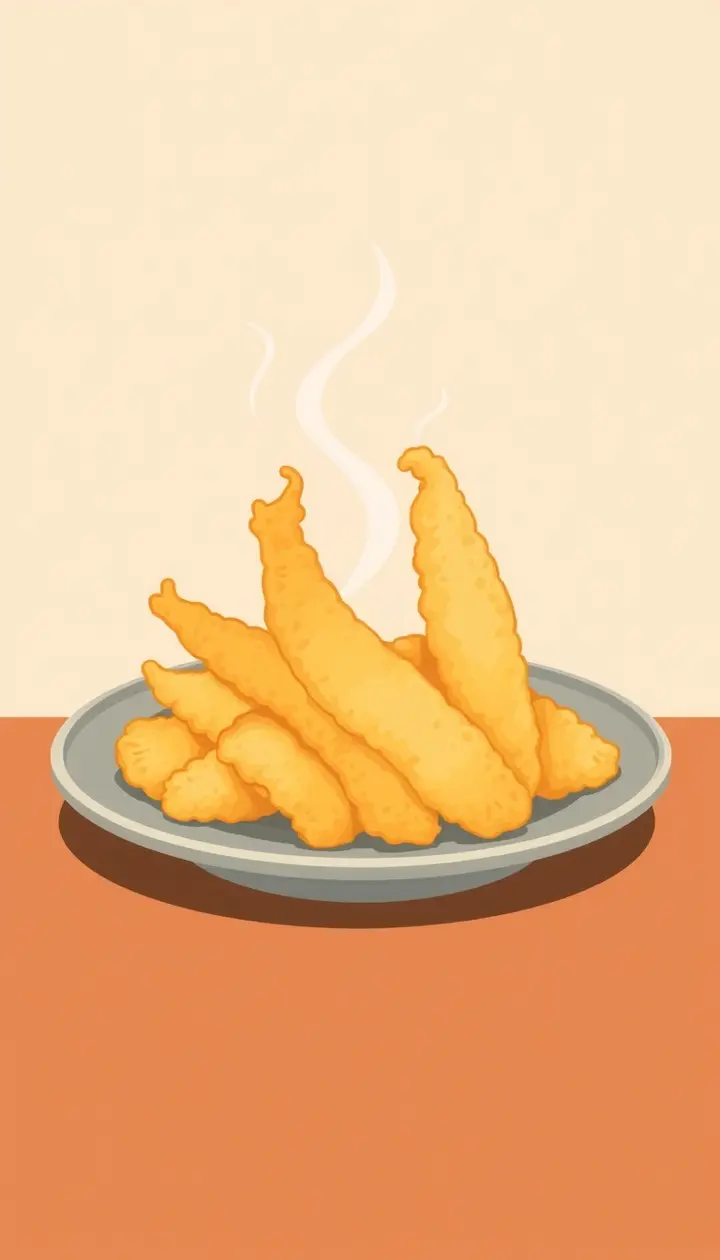
Freshly fried croquettes and fried chicken feel crispy and light, don't they?
But once some time passes and they cool down, the very same fried food suddenly seems greasy.
Oil is actually a thin, runny liquid when it's hot, but it tends to solidify as it cools.
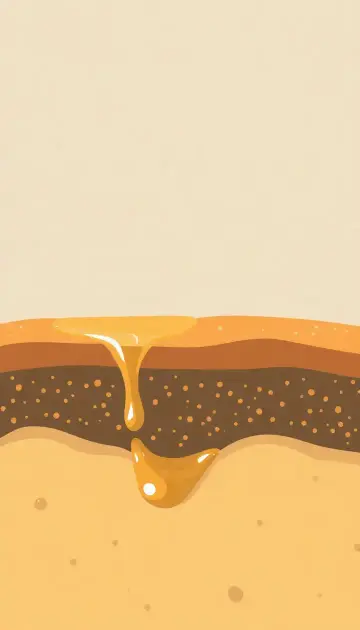
While the food is warm, the oil stays inside the coating, but as it cools, the oil seeps out to the surface and makes it feel sticky.

And that's why fried food tastes best when you eat it fresh.
Sources
- Oil partition in pre-treated potato slices during frying and coolingDurán M. et al., Journal of Food Engineering, 2007
- Factors affecting oil uptake in tortilla chips in deep-fat fryingMoreira R.G. et al., Journal of Food Engineering, 1997
- Limpness of fried potato slabs during post-frying periodMiranda M.L. et al., Journal of Food Process Engineering, 2005
- Temperature dependence of density and viscosity of vegetable oilsEsteban B. et al., Biomass and Bioenergy, 2012
- パーム油の輸入が増えていますが、どんな油でしょうか?(よくある質問)Japanese“Palm oil imports are increasing—what kind of oil is it? (FAQ)”Japan Oilseed Processors Association
- 家庭での食中毒予防Japanese“Preventing Food Poisoning at Home”Ministry of Health, Labour and Welfare (Japan)
Spotted a mistake in the article or the translation? Let us know.
Report an error (contact form in Japanese, opens in a new tab)