On this page
A closer look
That fresh-fried crunch is the sound of a layer with the water driven out
Fried batter is crispy because a dry layer with almost no moisture forms.
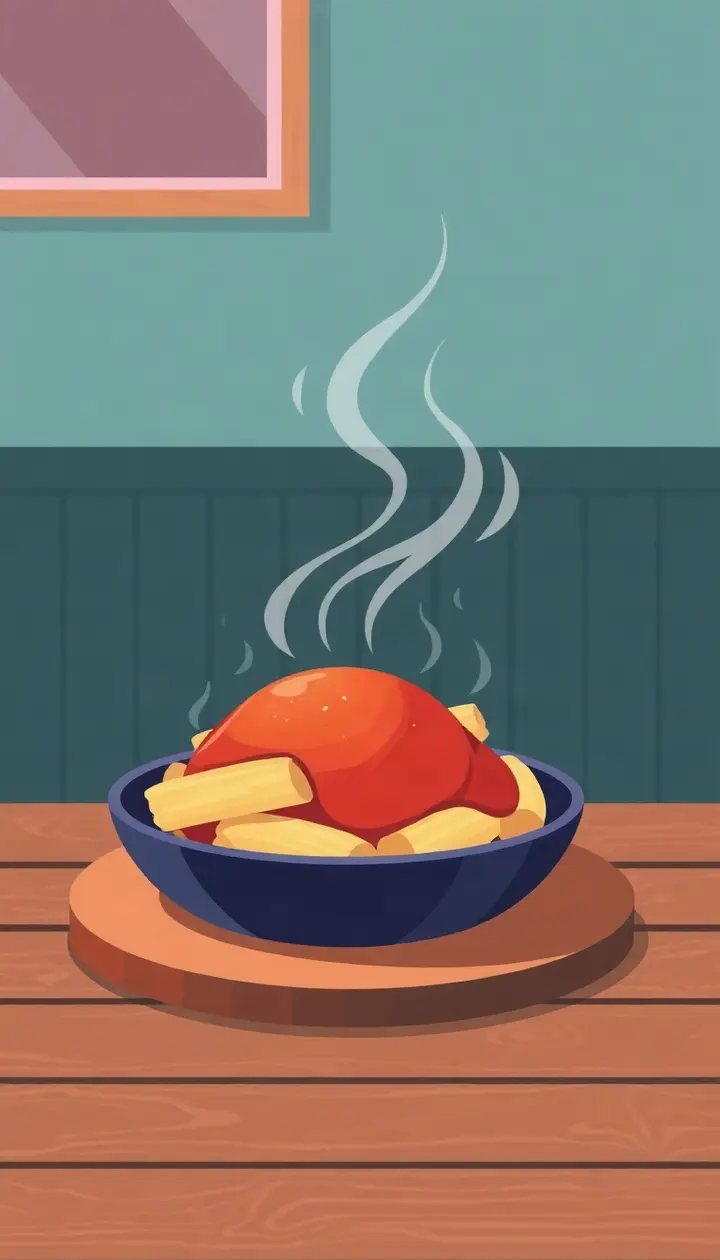
When you drop batter into 170°C (about 340°F) oil, the water in the coating boils, turns to steam, and rushes out. The bubbles you see while frying are that steam. The rule that food is done when the bubbling calms down works because that's the sign the water has been driven out.
Once the water is gone, countless tiny pockets are left behind. This dry layer full of holes is what crumbles with a crunch when you bite it. Tempura batter is thin and light so that this layer stays thin.
By the way, the reason you shouldn't overmix tempura batter is the same. Mixing develops gluten, which makes the film sticky and stops steam from escaping easily. Combining flour and cold water only loosely creates a structure that lets water escape easily.
Water from the filling moves into the batter
The problem is that fried food is a combination of a "dry coating" and "a filling packed with water."
Whether it's shrimp or vegetables, the inside is 70–90% water. The batter is just a few percent water. A gap like that isn't going to stay put.
A study that tracked how the texture of fried potatoes changes after frying deals with exactly this process. As time passes after frying, moisture from the inside moves to the outer layer, and the crunch is lost. The word "limpness" in the study's title means precisely "going soft and floppy."
In other words, the water making the batter soggy doesn't come from outside. It comes from inside. That's why tempura goes limp over time even on a dry day.
Oil gets sucked in as the food cools
There's another thing happening at the same time: oil is moving.
While frying, steam is blasting out of the batter. As long as that flow continues, oil can't get in.
But once you take the food out of the oil, the temperature drops and steam stops coming out. The pressure inside the pockets in the batter falls, and oil clinging to the surface gets sucked inside. A study examining how oil is distributed in potato slices as they are fried and cooled showed that much of the oil enters the inside of the coating during cooling, after frying is over.
So:
- Fresh from the fryer → little water, and the oil stays on the surface → crispy and light
- A few minutes later → oil gets drawn inside → feels heavy
- 10+ minutes later → water from the filling moves into the batter → goes limp
Over time, two separate changes pile on top of each other. The impression that "cold tempura is greasy and soggy" reflects both of these real effects.
Stacking them is the worst thing you can do
The fixes follow straight from how it works.
Don't stack. When you stack fried food, steam from the top pieces hits the ones below. Heat also gets trapped so they cool slowly, which speeds up the water's movement. The basic approach is to spread them out on a rack so air can flow underneath.
Drain the oil. If you drain the oil right after frying, there's simply less oil to get sucked in during cooling. Standing pieces upright on a rack works well.
Eat them fast. This beats everything. At a tempura restaurant counter, pieces are served one at a time not for show, but out of physical necessity. Tempura one minute out of the fryer and tempura ten minutes out are so different you could almost call them different foods.
To revive them, drive the water off
To bring soggy fried food back, you just need to drive out the water that moved in. That's why a toaster oven or a fish grill (a small broiler built into many Japanese stoves) works well. They heat the surface and evaporate the water in the batter again.
The microwave, on the other hand, is the worst. It turns the moisture into steam, but if the food is covered, the steam has nowhere to go and just ends up back in the batter. It actually helps water move from the inside outward.
The trick with a toaster oven is to put the food directly on the rack without aluminum foil underneath. That way steam can escape from the bottom too.
Starch gelatinization plays a part too
The state of the starch also affects the batter's texture. Starch in wheat flour gelatinizes and softens with water and heat. "Microscopic and Macroscopic Observation of State Changes Accompanying Gelatinization of Starch Granule–Water Systems," published in the Journal of Cookery Science of Japan, is a study that tracked this change at the microscopic level.
In fried batter, water leaves quickly, so gelatinization stops partway and a dry, porous layer forms. But as time passes and moisture returns, the gelatinized starch takes up water and moves closer to a soft state. This is part of the "going limp" too.
The difference between tempura batter and the breaded coating on Western-style fried foods also comes down to differences in how they're designed to release water. Thin tempura batter lets water escape fast and turns out light, while a thick panko coating has bigger pockets and tends to hold on to oil. Even among fried foods, how fast they go soggy varies.
You might also like
What the video says
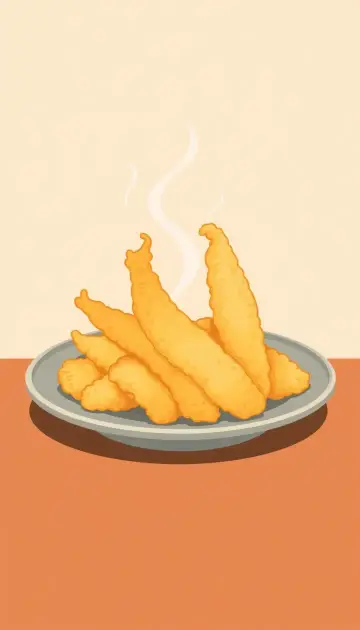
Freshly fried tempura should be crispy, but within minutes it goes limp… and steam is actually to blame.
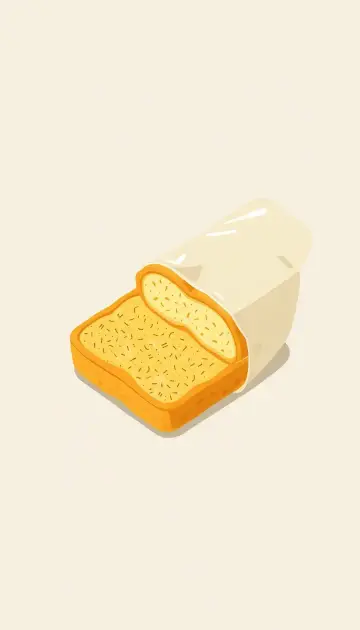
Fried foods hold plenty of water inside, and the outer batter keeps that water from evaporating.
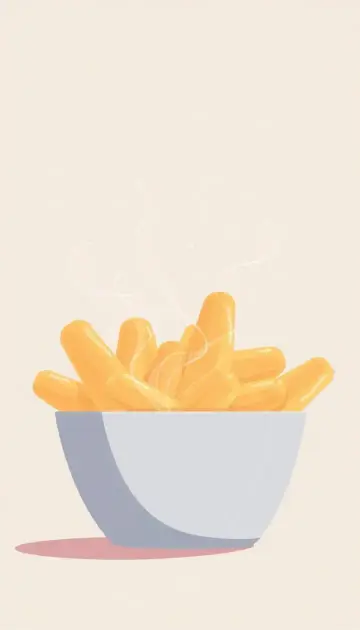
Right after frying, steam trapped inside the batter slowly tries to escape.
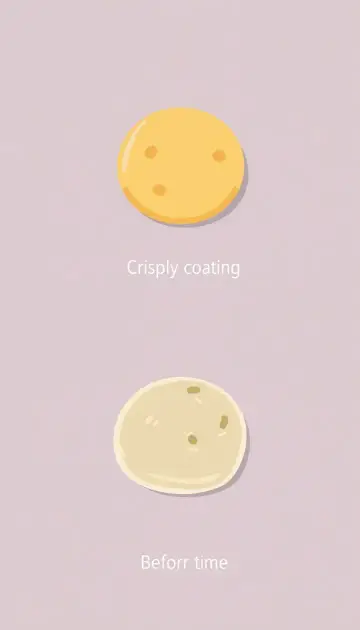
When that steam stays trapped on the inside of the batter, the once-crispy coating soaks up moisture and turns soggy.
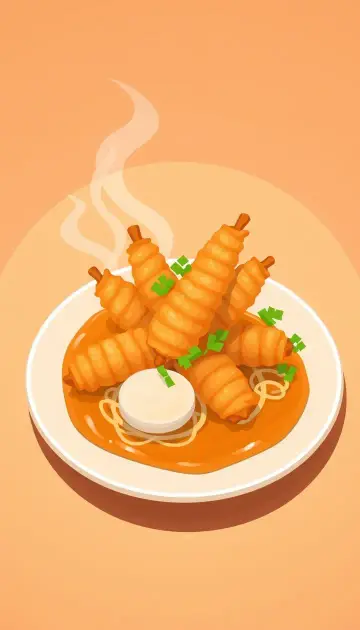
That's why tempura tastes best when you eat it the moment it comes out of the fryer.
Sources
- Limpness of fried potato slabs during post-frying periodJournal of Food Process Engineering
- Oil partition in pre-treated potato slices during frying and coolingJournal of Food Engineering
- デンプン粒~水系の糊化にともなう状態変化の微視的および巨視的観察Japanese“Microscopic and Macroscopic Observation of State Changes Accompanying Gelatinization of Starch Granule–Water Systems”Journal of Cookery Science of Japan, Vol. 38, No. 1
Spotted a mistake in the article or the translation? Let us know.
Report an error (contact form in Japanese, opens in a new tab)