On this page
- A closer look
- It has a name: "self-discharge"
- A battery is a device that holds a chemical reaction on standby
- The separator keeps it in check
- Avoid heat and humidity
- The fridge isn't a good idea because of condensation
- Take batteries out when they're used up
- Different battery types self-discharge at different rates
- What the recommended use-by date means
- Related reading
- What the video says
- Sources
A closer look
It has a name: "self-discharge"
The Battery Association of Japan's explanation includes a definition of the term.
(Self-discharge means a battery gradually loses its power even when it isn't being used.)
It drains even when you don't use it. That's not a defect; it's a property that chemical batteries have.
A battery is a device that holds a chemical reaction on standby
Once you think about how batteries work, it becomes clear why self-discharge can't be avoided.
Inside a battery is a substance that wants to give up electrons (the negative electrode) and a substance that wants to take them in (the positive electrode). If these two touched directly, they'd react right away and that would be the end of it.
So the two are kept apart, arranged so that electrons can only travel between them by going through an external circuit. When you connect a circuit, electrons flow through the wire, and that's the electric current.
In other words, a battery is a device that holds back a chemical reaction that wants to happen, so that it has to go through an external circuit.
The problem is that this "holding back" can't be done perfectly. If there's even a slight path left for the reaction to proceed inside the battery, the reaction will creep forward little by little, even when the battery isn't being used.
The separator keeps it in check
The Battery Association of Japan's explanation describes the role of one of the internal parts.
Q6. What is the separator made of? It serves to prevent (short circuits occurring inside) and to reduce self-discharge.
The separator is a paper-like part that divides the positive and negative electrodes. It lets the electrolyte (the liquid ions travel through) pass, but keeps the two electrodes from touching directly.
This one part does two jobs at once: "preventing internal short circuits" and "reducing self-discharge." Put another way, self-discharge is "an extremely tiny internal short circuit."
Better separators mean less self-discharge, but it can never reach zero. Ions still have to get through, so a complete barrier isn't possible.
Avoid heat and humidity
The Battery Association of Japan's safety guide has an item about storage.
- Store batteries away from direct sunlight, high temperatures, and high humidity In high humidity, dew (moisture) can form on batteries, which may cause short circuits or rust. Also, leaving batteries in high temperatures for long periods will reduce their performance.
Both heat and humidity are listed.
Heat is bad because the speed of chemical reactions depends heavily on temperature. A battery kept somewhere hot will drain faster than one kept somewhere cool. "Leaving batteries in high temperatures for long periods will reduce their performance" describes exactly the result of self-discharge speeding up.
Humidity causes problems on the outside of the battery. If dew forms on the surface, the terminals can rust, or the film of moisture can become a path for tiny leakage currents.
The guide also lists a more specific warning.
- Do not leave batteries in places that get hot Do not leave them in places that get hot, such as near a heater or inside a car under the blazing sun. This can cause leakage, heat, rupture, or fire.
The fridge isn't a good idea because of condensation
It's tempting to think, "If cold is better, why not just put them in the fridge?" But that runs into the humidity problem.
When you take cold batteries out to room temperature, condensation forms on their surface. It's the same thing that happens when the outside of a cold glass gets wet. The guide's warning that "dew (moisture) can form on batteries, which may cause short circuits or rust" would happen every time you took them out.
A cool, dry, room-temperature spot is the sweet spot. A closet or a drawer is plenty.
Take batteries out when they're used up
The same guide warns against leaving batteries inside devices.
- When batteries are used up, remove and dispose of them promptly If you leave used-up batteries in a device, they can leak and damage the device. Once batteries are used up, remove them and dispose of them.
There's also an item about devices you won't use for a long time.
- When not using a device for a long time, remove the batteries Even with the switch off, a small current may flow through the batteries inside the device, gradually draining them. If this continues after the batteries are empty, it puts stress on them and makes leakage more likely. Remove the batteries if you won't use the device for a long period.
"Even with the switch off, a small current may flow, gradually draining them." Batteries left in a device drain not only from self-discharge but also from this tiny current. That's a double disadvantage.
When you won't be using a remote control or clock for a long time, the right move is to take the batteries out. For the batteries you remove, the guide adds:
Be careful to keep removed batteries from short-circuiting, for example by putting them in individual cases.
Different battery types self-discharge at different rates
Even among household batteries, how long they last on the shelf depends on the type.
- Alkaline batteries: relatively low self-discharge, good for long-term storage
- Zinc-carbon batteries: somewhat higher self-discharge
- Lithium primary batteries: very low self-discharge; some products claim a 10-year shelf life
- NiMH rechargeable batteries: traditionally had high self-discharge, but low self-discharge types (the "ready to use right out of the package" kind) have become common
The reason you can now buy rechargeables that are "ready to use right away" is that technology for suppressing self-discharge has advanced. Older rechargeables would lose a good chunk of their charge within a few months if left fully charged.
What the recommended use-by date means
Batteries sold in Japan are printed with a "recommended use-by date." It's similar to a best-before date on food.
It means, "Up to this date, the battery is guaranteed to deliver its specified performance." You can still use it after the date, but its capacity will be lower because self-discharge has progressed.
This self-discharge is why you rotate the batteries in your emergency supplies. Since they drain even without being used, just leaving them sitting there isn't enough to keep you prepared.
This same idea of "chemical reactions that progress even without use" also connects to why smartphone batteries wear out year after year. Batteries are vulnerable to time because of the very way they work: making electricity from chemical reactions.
Related reading
What the video says
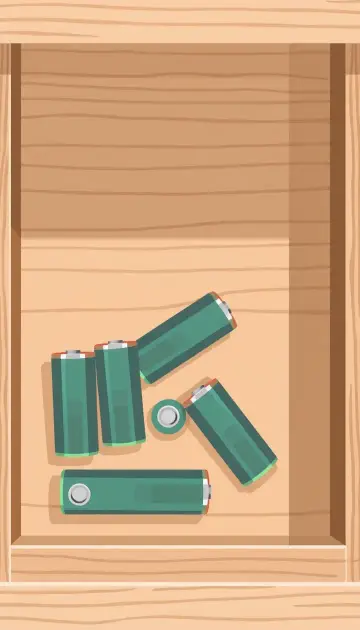
You tuck a brand-new pack of batteries into a drawer, and somehow, before you know it, they've lost some charge. Has that ever happened to you?
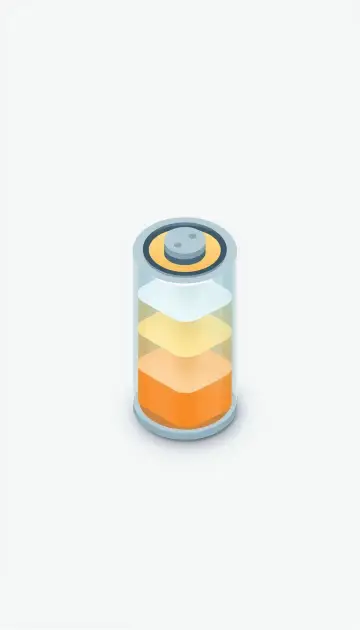
It turns out that even when they're not being used, chemical reactions are slowly going on inside batteries. This is called self-discharge.
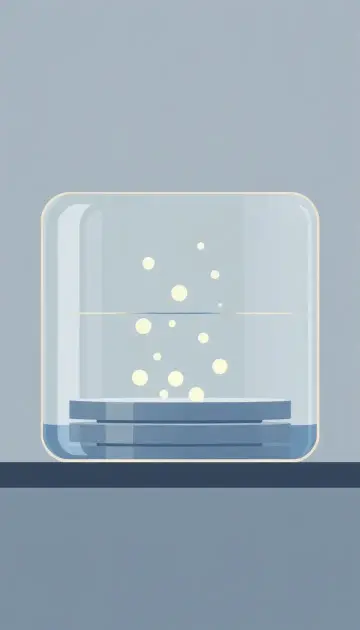
A battery contains metals and an electrolyte, and they keep reacting with each other, just a tiny bit at a time. Even though the battery is sealed, this never completely stops.
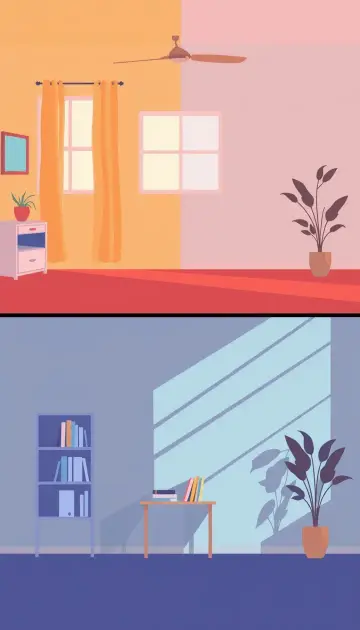
On top of that, the hotter it is, the faster the reaction tends to go, so batteries left out during summer tend to drain faster.
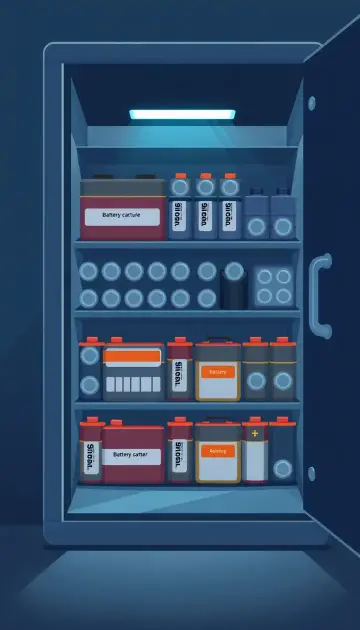
That's why it's best to store batteries in a cool, dry place. Even while they're sitting unused, batteries are quietly ticking away.
Sources
- 乾電池について(電池に関するQ&A)Japanese“About Dry Cell Batteries (Battery Q&A)”Battery Association of Japan
- 一次電池・携帯電灯の安全で正しい使い方Japanese“Safe and Proper Use of Primary Batteries and Flashlights”Battery Association of Japan
Spotted a mistake in the article or the translation? Let us know.
Report an error (contact form in Japanese, opens in a new tab)