On this page
A closer look
Bacteria "can't use the water"
Honey is roughly 80% sugar and only about 20% water. What's more, much of that water is tightly bound to sugar molecules, so very little of it is freely available to microbes (this is called water activity).
On top of that, when bacteria come into contact with a highly concentrated sugar solution, osmotic pressure draws water out of their cells. It's the same reason jam and candied fruit keep so well.
Acidity and an enzyme from the bees
Honey is acidic (with a pH of roughly 3 to 4-something), which makes it an unfriendly environment for many bacteria.
Also, an enzyme that honeybees add to nectar (glucose oxidase) slowly produces hydrogen peroxide from glucose. This enzyme isn't very active in concentrated honey; its key feature is that it becomes active when the honey is diluted with water. The video said that "hydrogen peroxide kills germs," but it's more accurate to think of it as "helping suppress bacterial growth once the honey is diluted."
It "doesn't spoil," but keep these in mind
- It can ferment if it absorbs moisture: If you leave the lid off and the honey absorbs water, sugar-tolerant yeasts can get to work and ferment it, producing a sour smell or bubbles. Close the lid tightly after each use.
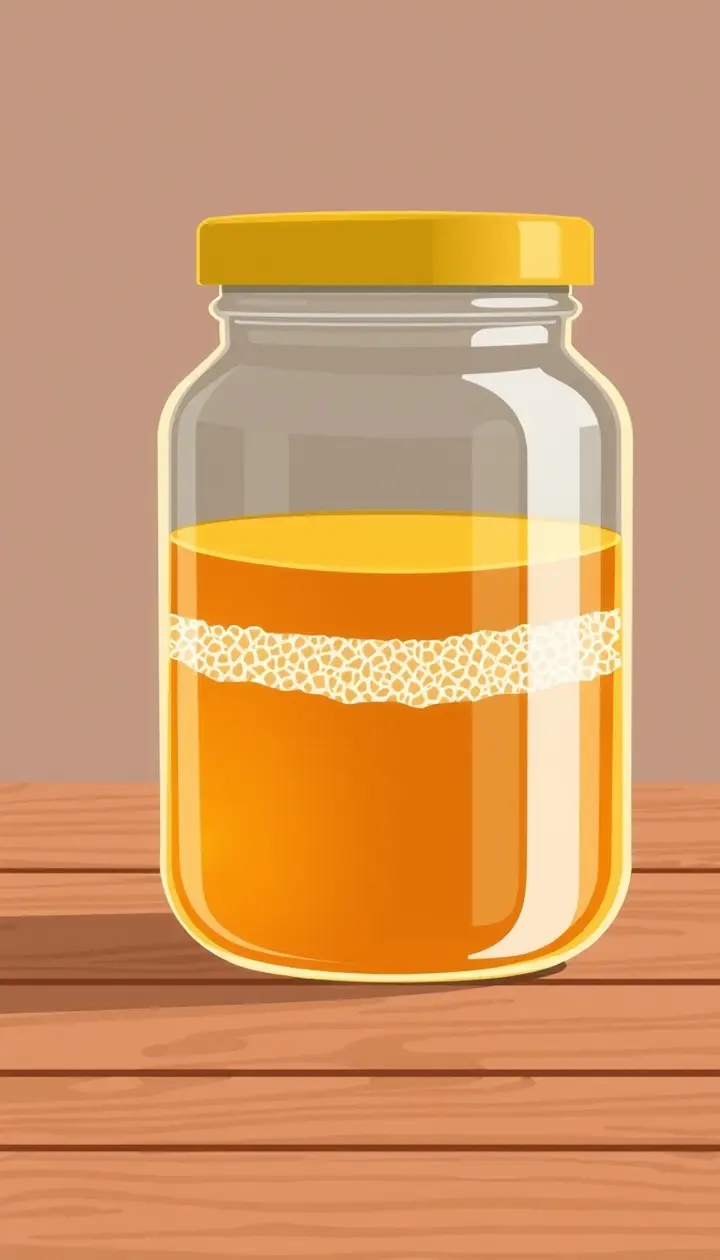
- Turning white and solid doesn't mean it's gone bad: In the cold, the sugars crystallize and the honey turns white and firm, but this isn't a quality problem (→ Why does honey turn white and solid when it gets cold?).
- Don't give it to babies under 1 year old: Honey can contain spores of the botulism bacterium (bacteria in a dormant state). They aren't a problem in an adult's gut, but in infants under 1, whose gut environment isn't yet fully developed, they can cause "infant botulism." For this reason, Japan's Ministry of Health, Labour and Welfare also advises not giving honey to children until they turn 1. It's worth remembering that "doesn't spoil" does not mean "contains no bacteria."
About the "3,000-year-old edible honey" story
The story that honey found in ancient Egyptian tombs could still be eaten is widely known as a piece of trivia, and the video opened with it too. However, there's no clear record of which site it was found at, or who verified it and how. Honey's tendency to resist spoiling for long periods can itself be explained scientifically, but it's probably best to enjoy this anecdote as a commonly told legend.
Related reading
What the video says

Believe it or not, honey found in ancient Egyptian ruins from 3,000 years ago was discovered still in an edible state.
So why can honey, of all foods, last thousands of years without spoiling? The secret is how little water it contains.

Honey is so packed with sugar and has so little water that bacteria are robbed of the water they need to multiply.
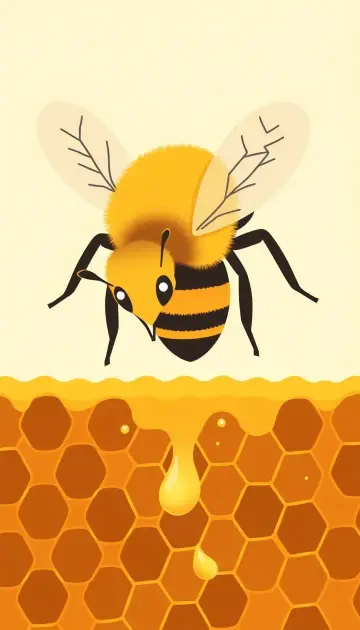
On top of that, an enzyme that bees mix into the nectar produces tiny amounts of hydrogen peroxide, which also kills germs.
High sugar content and natural antibacterial action: thanks to these two powers, honey can keep for thousands of years without spoiling.
Sources
- A current perspective on hydrogen peroxide production in honey. A reviewBrudzynski K., Food Chemistry, 2020
- Honey: its medicinal property and antibacterial activityMandal M.D. & Mandal S., Asian Pacific Journal of Tropical Biomedicine, 2011
- ハチミツを与えるのは1歳を過ぎてから。Japanese“Don't give honey until after age 1.”Ministry of Health, Labour and Welfare (Japan)
- ハチミツによる乳児のボツリヌス症Japanese“Infant botulism caused by honey”Consumer Affairs Agency (Japan)
Spotted a mistake in the article or the translation? Let us know.
Report an error (contact form in Japanese, opens in a new tab)