On this page
A closer look
"It's sealed, so it's fine" doesn't hold up
This is the most surprising part. Here's an explanation from the Tokai Co-op Product Inspection Center:
You might think that food that's sealed and packaged wouldn't pick up odors, but depending on the packaging material and the odor compounds involved, odor particles can get in. The thin films commonly used, like plastic bags and zipper bags, can keep out dust and moisture, but odor particles can sometimes pass through.
Plastic wrap and zipper bags block dust and moisture. But odor molecules get through. The substances that cause smells are very small molecules, and they slip through the gaps in thin films like polyethylene.
The case the article describes involved unopened food.
The cause was mothballs that had been placed near cup noodles stored at home for a long time, and the smell transferred. It seems it isn't widely known that odors can transfer even to unopened food.
The cup noodle container was never opened, yet the smell of mothballs got into the contents. That's the reality of odor transfer.
Foods that absorb smells easily, and foods that don't
The same article also points to the properties of the food itself.
For example, milk is a food that easily absorbs odors. If strong-smelling things like kimchi or pickles are nearby, odor transfer can be a concern even inside the refrigerator.
Milk is named specifically. That's because it contains fat. Many odor-causing substances dissolve easily in oil (they're lipophilic), so foods that contain fat build up smells.
The same reasoning applies here too:
Also, since the freezer is sometimes used to store ingredients for a long time, odors can transfer there as well. In particular, ingredients processed with oil, such as frozen foods, seem to tend to absorb odors easily.
Frozen foods processed with oil: croquettes, fried chicken, frozen breaded fried foods, and so on. The layer of oil acts like a sponge for smells.
To sum up:
| Absorbs odors easily | Reason |
|---|---|
| Milk, butter, cheese | Contains fat |
| Frozen fried foods | Processed with oil |
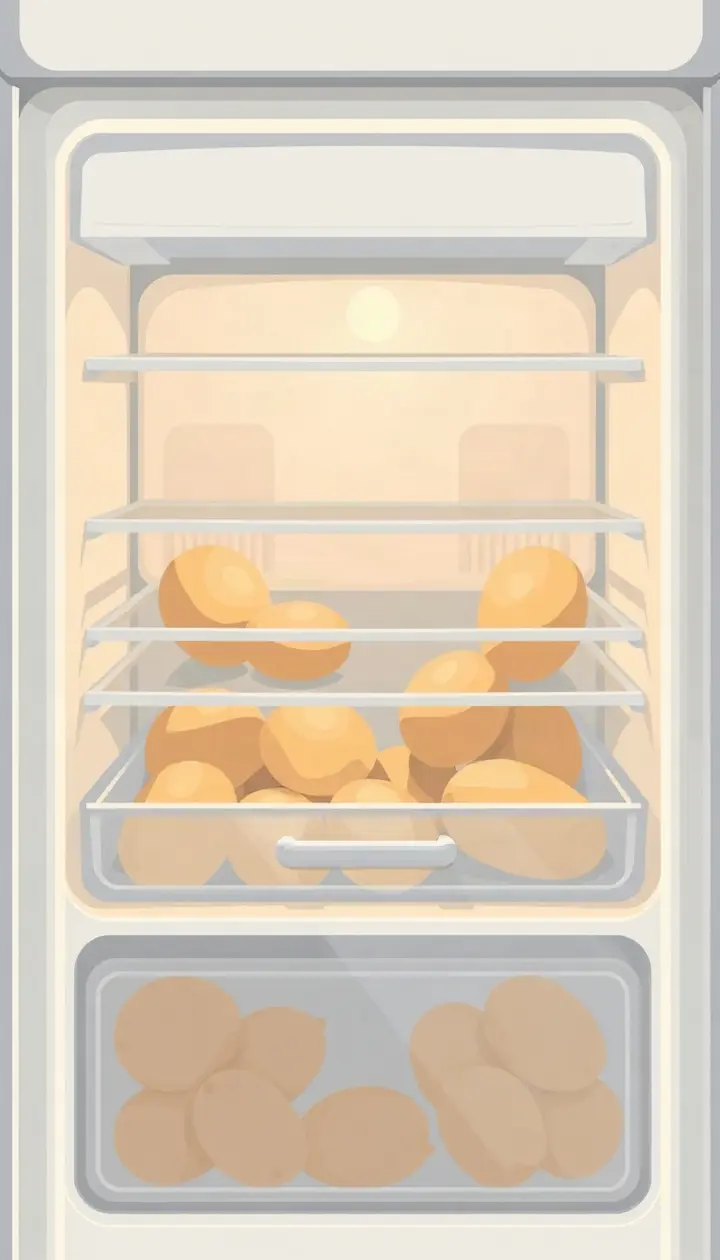
| Rice, flour, sugar, bread | Porous with a large surface area; stored for long periods |
Watch out especially for rice
The point about rice is probably something most people don't know.
Because rice itself breathes, rice packaging has small holes in it, which makes it easy for odors to transfer. Besides odor transfer, there's also a risk of insects getting in and mold, so we recommend avoiding long-term storage and moving rice into something like an airtight plastic container.
Rice bags have holes on purpose. Rice is alive and breathes, so if you seal it completely, the bag can puff up or the contents can spoil. That's why there are tiny holes for ventilation. And smells come in through those same holes.
That's where the idea comes from that rice stored near detergent or kerosene ends up tasting different.
The fix: change the packaging
The measures the article lists aren't about the food itself, but about where you put it and what you put it in.
When storing ramen (instant noodle packs or cup noodles), bread, flour, sugar, and the like for a long time, make sure there's nothing strong-smelling nearby.
The most reliable approach is keeping things apart. It's simple: don't put strong-smelling items and long-stored items on the same shelf.
On containers, the article makes this point:
Frozen processed foods often seem to come in packaging made of multiple layered materials that resist odor transfer, so after opening, it's said that keeping them in the same packaging with the opening clipped tightly shut prevents odor transfer better than moving them to another bag.
This is practical advice. Frozen food bags are made of high-performance, multilayer packaging. They look like ordinary bags, but they contain layers that block odors. If you move the food into a zipper bag after opening, you actually end up with worse protection.
Clipping the original bag shut is the way to go. Not bothering to transfer it to a storage container is the better choice, which runs counter to intuition.
The food industry is working on it too
The food industry has been coming up with better packaging to prevent odor transfer. Even so, when storing food at home for a long time, pay attention to the smells around it as well.
There's only so much that packaging design can do; manufacturers can't control how food is stored at home. What goes next to what in your fridge, and for how long, is up to you.
The practical takeaways:
- Strong-smelling foods (kimchi, pickles, garlic, cheese): double-wrap them or put them in airtight containers
- Foods that absorb smells easily (milk, butter, rice, flours): keep them away from strong-smelling items
- Frozen foods: even after opening, keep them in the original bag and clip it shut
- Mothballs, detergent, kerosene: don't keep them in the same space as food
It's easy to assume smells transfer because the inside of the fridge is dirty, but cleaning won't fix it. The issue is molecules moving around, so it comes down to distance and packaging.
Related reads
What the video says

You put butter in the fridge, and before you knew it, it smelled like onions. Has that ever happened to you?

Smells are actually tiny molecules flying around in the air. Onions give off especially volatile compounds.
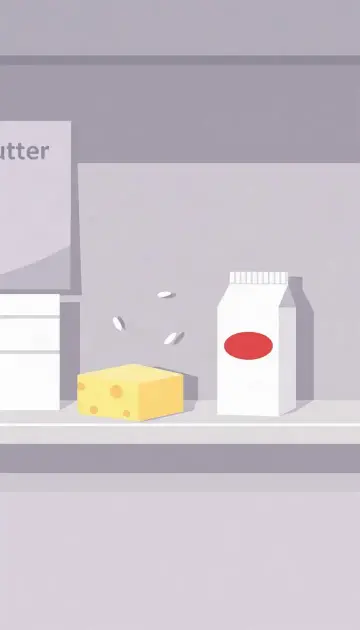
Fatty foods like butter, milk, and cheese tend to soak up those molecules.
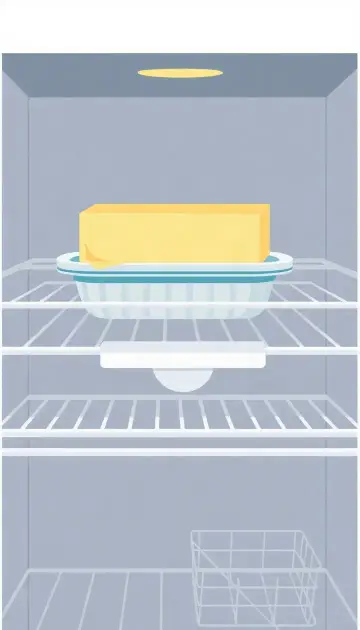
So if you leave them unsealed in the fridge, smells keep transferring to them.

Just wrapping them in plastic wrap or putting them in airtight containers goes a long way toward preventing odor transfer. A little effort makes your fridge a lot more pleasant.
Sources
- 食品への「におい移り」にご注意くださいJapanese“Beware of "Odor Transfer" to Food”Tokai Co-op Federation, Product Inspection Center
Spotted a mistake in the article or the translation? Let us know.
Report an error (contact form in Japanese, opens in a new tab)